Bougainvillea Planting and Care: When and How to Plant
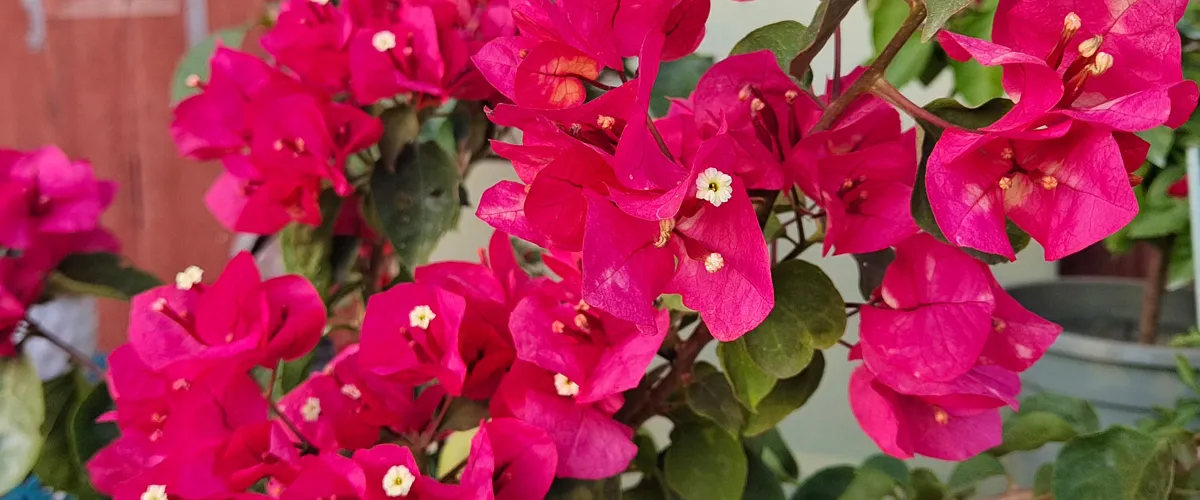
Learn when and how to plant bougainvillea in the ground or in pots, plus watering, pruning, and bloom-boosting care tips.
On This Page
Wondering when and how to plant bougainvillea? This guide has you covered. You'll learn how to plant bougainvillea in the ground or in pots — the best planting time, soil preparation, hole size, and spacing — plus the day-to-day care routine (watering, fertilizing, pruning, and winter protection) that keeps a newly planted vine blooming for years.
It's true that few vines put on a show like bougainvillea: cascading bracts in magenta, orange, white, and gold turn a plain wall or sunny patio into a tropical statement.
But this sun-loving vine only thrives when it's planted right the first time. Whether you are planting bougainvillea in the ground in warm coastal zones (USDA Zones 9b–11) or growing it in containers that move indoors for winter in colder regions (USDA Zones 3–8), follow the planting steps below — its exceptionally brittle roots do not forgive being moved twice.
At-a-Glance Care Sheet
| Care Factor | Golden Standard |
|---|---|
| Light Requirement | Full Sun(6+ hours of direct, unshaded sunlight daily) |
| Watering | Low to Moderate; Deep & Dry rule (let top 2–3 inches dry out completely) |
| Soil Preference | Well-draining, gritty, slightly acidic mix (pH 5.5–6.0) |
| Hardiness Zones | USDA Zones 9b–11(In-ground);Zones 3–8(Overwinter indoors/garage) |
| Fertilizer | Low Nitrogen, High Phosphorus & Potassium (e.g., NPK 10-30-10 + Epsom Salt) |
| Pet Toxicity | Non-Toxic to Dogs, Cats, & Horses(ASPCA verified); sharp thorns present |
When to Plant Bougainvillea
Timing matters more for bougainvillea than for most vines, because its roots are exceptionally brittle and it hates being moved twice. Plant when the plant can settle in without extreme heat or frost stress, and always transplant in the cool of the morning or evening, never at midday.
- In-ground in warm zones (USDA Zones 9b–11): Spring is the safest window, after all danger of frost has passed — this gives the vine a full season to establish before winter. In frost-free coastal climates you can also plant in early fall, but avoid peak summer heat and the weeks right before a hard cold snap.
- North of Zone 9 (growing in containers): Wait until the last frost has passed to move plants outdoors. Start container plants in spring so they establish roots during the warmest, brightest months.
- Year-round tip: If you must plant in summer, do it on an overcast day or in the evening, and be extra disciplined about the settling drench described below — heat plus transplant stress is what triggers the leaf drop new owners panic about.
How to Plant Bougainvillea: Step-by-Step
Everything in this section comes back to one rule: the root ball must not be disturbed. The same fragile-root warning that applies when repotting applies at planting time — never tease, break, or wash soil off the roots.
Planting Bougainvillea in the Ground
- Dig the hole: Make it 2× as wide as the root ball but no deeper. Planting too deep is a slow death sentence — the stem base must sit at exactly the same level it sat in the nursery pot.
- Prep the soil (only if needed): Bougainvillea thrives in gritty, fast-draining, slightly acidic soil (pH 5.5–6.0). If your soil is heavy clay, mix in coarse perlite or pea gravel rather than digging a slick-sided clay hole that will hold water like a bowl. Do not add rich compost by the shovel-load; lean soil is what this plant wants.
- Slide the plant out intact: Tip the nursery pot sideways and slide the whole soil ball out — never pull by the stem, never loosen the roots.
- Set it at grade and backfill: Place the root ball in the hole, confirm the top sits level with the surrounding ground, then backfill with the native soil you dug out. Press gently to remove air pockets; do not stomp.
- Install support now, not later: If you are growing it as a climber, sink the trellis or stake before the roots spread — driving a stake through the root zone next year is exactly the disturbance you want to avoid.
- Give one settling drench, then stop: Water deeply once to settle the soil around the roots. After that, return to the Deep & Dry rule: for the first 2–3 weeks, water only when the top 2–3 inches of soil feel dry (roughly every 3–5 days in warm weather, less if it rains) — never daily, never soggy. Newly planted bougainvillea dies far more often from kindness than from drought.
Planting Bougainvillea in Containers
- Choose the pot: One size up from the nursery pot (2–3 inches larger in diameter) is plenty — bougainvillea actually blooms more readily when slightly root-bound. Terracotta with drainage holes is ideal.
- Use the gritty mix: Follow the container soil recipe in the Growing Environment section: roughly 40% potting mix, 30% coarse perlite or pumice, 20% coarse sand or pea gravel, 10% compost.
- Set the root ball at the same depth: Add a base layer of mix, set the intact root ball on it so the top sits about 1 inch below the rim, then fill around the sides. Leave that top inch empty as a watering well.
- Water once to settle, then dry out: Same settling drench, same Deep & Dry follow-up. Raise the pot on pot feet or a saucer of pebbles so it never sits in standing water.
Bougainvillea Spacing: In-Ground & Containers
Give each plant enough room for air to move and for its mature size — crowding invites fungal issues and reduces blooms. As a rule of thumb:
- Vigorous climbing varieties in the ground: space 1.5–3 meters (5–10 ft) apart, depending on how fast the cultivar grows.
- Dwarf and bush varieties: (such as the Bambino series): space 0.6–1 meter (2–3 ft) apart.
- Against a wall or fence: plant 30–45 cm (12–18 in) away from the base — this keeps the roots clear of the wall's reflected heat and leaves room for air and future pruning behind the vine.
- In containers: one plant per pot, always — bougainvillea roots hate competition and repotting. Move up a pot size only when truly root-bound.
| Cultivar | Habit | Recommended In-Ground Spacing |
|---|---|---|
| Barbara Karst | Vigorous Vine / Climber | 2–3 m (6–10 ft) |
| Bambino Baby Sophia | Dwarf / Compact Bush | 0.6–1 m (2–3 ft) |
| Singapore White | Bush / Semi-Climber | 1.2–1.8 m (4–6 ft) |
| Raspberry Ice | Bush / Variegated | 1.2–1.8 m (4–6 ft) |
| Imperial Delight | Climber / Vine | 1.5–2.4 m (5–8 ft) |
Spacing assumes full-sun planting in Zones 9b–11. In cooler or shadier spots, keep plants slightly further apart to improve air circulation.
Growing Environment: Sun, Soil, & USDA Zones
Light Is Non-Negotiable
Bougainvillea is a pure sun worshiper. The colorful parts of the plant are actually modified leaves called bracts, and synthesizing their rich pigments requires intense light.
- Full Sun (6–8+ hours direct light) : Tight internodes, maximum bract saturation, and non-stop bloom cycles.
- Partial Sun (3–5 hours) : Leggy growth, pale bract color, and significantly fewer flowers.
- Full Shade (<3 hours) : Lush green foliage with zero bloom production.
Climate & Hardiness (USDA Zones)
- Zones 9b – 11 (e.g., SoCal, Florida, South Texas, Australia) : Can be grown in-ground year-round as a perennial climbing vine or privacy hedge.
- Zones 3a – 9a (e.g., US Midwest, East Coast, UK, Northern Europe) : Must be planted in containers or fabric pots. Keep outdoors on the patio or deck during late spring and summer, and move indoors or into an attached garage before the first frost.
Soil & Drainage
Bougainvillea hates wet feet. Heavy clay soil or water-retaining potting soil will cause root rot in weeks. They thrive in gritty, fast-draining, slightly acidic soil (pH 5.5–6.0).
Ultimate Container Soil Recipe
- 40% Premium Quality Potting Mix (Peat moss or Coco coir base)
- 30% Coarse Perlite or Pumice
- 20% Coarse Builder's Sand or Pea Gravel
- 10% Aged Compost or Worm Castings
Watering Strategy & Drainage
Overwatering is the number one killer of potted bougainvillea. Always follow the "Deep & Dry" method.
How to Check Moisture
Insert your finger 2 to 3 inches deep into the soil. If it feels cool or moist, do not water. Only water when the soil feels completely dry and the foliage shows a subtle loss of turgor (slight afternoon softness). When you do water, drench the pot until water flows freely out of the bottom drainage holes.
Seasonal Schedule
- Spring & Summer: Water every 5–7 days for containers; every 10–14 days for established in-ground plants.
- Fall: Reduce frequency to signals winter prep.
- Winter Dormancy: Water sparingly—once every 3–4 weeks—just enough to keep the feeder roots from desiccating.
How to Make Bougainvillea Bloom
Bougainvillea flowers best when it receives at least six hours of direct sunlight each day, grows in fast-draining soil, and follows a consistent cycle of thorough watering followed by moderate drying.
If the plant produces plenty of green foliage but few flowers, check for insufficient light, frequent watering, excess nitrogen, or overly aggressive pruning.
During active growth, use a balanced or low-nitrogen fertilizer, allow the soil to dry moderately before watering again, and pinch soft new stem tips after flowering to encourage branching and support future blooms. Healthy, established plants may also benefit from brief, controlled water stress, but they should never be left severely wilted or completely dry for an extended period.
Bloom Guides
- How to Make Bougainvillea Bloom
- Why is My Bougainvillea Not Blooming?
- Bougainvillea Losing Flowers? 7 Reasons & How to Save It
- how to keep bougainvillea blooming in pots
- How to Revive a Dying Bougainvillea: A 4-Step Rescue Guide
- How to Prune Bougainvillea to Encourage Flowers
- How Much Sun Does Bougainvillea Need to Bloom?
- Can Bougainvillea Bloom in Shade?
- When to Prune Bougainvillea for Maximum Blooms
- How to Train Bougainvillea on a Trellis for More Blooms
- Why Are My Bougainvillea Flowers Turning White / Fading?
- Bougainvillea Growing Too Fast But Not Blooming
- How to Fix Rootbound Bougainvillea in Pots
- How Long Does It Take for Bougainvillea to Bloom?
Fertilization & Essential Micronutrients
High-nitrogen fertilizers encourage massive foliage growth at the expense of flowers. To get non-stop blooms, you must limit Nitrogen and boost Phosphorus and Potassium.
NPK Formula
- Early Spring: Apply a balanced slow-release organic fertilizer (e.g., NPK 5-5-5 or Bone Meal) to build healthy framework.
- Bloom Season: Switch to a high-phosphorus liquid water-soluble fertilizer (e.g., NPK 10-30-10 or Bloom Booster) every 2 weeks.
Key Micronutrients
- Epsom Salt (Magnesium Sulfate) : Bougainvillea is a heavy magnesium feeder. Dissolve 1 tablespoon of Epsom Salt per 1 gallon of water and apply monthly. This prevents interveinal chlorosis (yellow leaves with green veins).
- Chelated Iron: Apply as a foliar spray if new leaves appear pale or bleached.
Pruning, Training, & Safety Precautions
When to Prune
- Hard Pruning (Late Winter/Early Spring) : Cut back old growth by 30%–50% right before dormancy breaks to establish the structural frame.
- Post-Bloom Maintenance: Cut back flowering shoots by one-third immediately after a bloom cycle fades to trigger the next flush.
- Pinching: Regularly tip-pruning active green stems keeps container plants bushy and compact.
Training on Trellises & Pergolas
Use soft garden ties or velcro straps to loosely affix main runners to wooden lattice, wire mesh, or pergola posts. Avoid pulling stems too tight; allow side branches to arch naturally for a cascading effect.
Safety Note
Bougainvillea branches bear sharp, stiff thorns. Always wear heavy-duty leather pruning gloves and long sleeves when handling branches to avoid scratches or skin irritation from the plant sap.
Repotting Caution & Propagation
The Fragile Root Warning
Bougainvillea roots are exceptionally brittle and fibrous. They do not form tight root balls. Disturbing or breaking the root mass during repotting often causes fatal Transplant Shock.
- Never pull the plant forcibly by its main stem out of its pot.
- Never loosen, tease, or wash the soil off the root ball.
- How to Repot Safely: Carefully slide the entire soil ball out intact and place it into a pot that is only 2–3 inches larger in diameter. Fill the perimeter with fresh gritty soil and press gently.
Propagation from Cuttings
- Take 6-inch semi-hardwood cuttings in late spring or summer.
- Remove bottom leaves and dip the cut base in rooting hormone powder.
- Insert into a moist mix of perlite and peat moss.
- Cover with a plastic humidity dome and place in bright, indirect light. Roots will establish in 4–6 weeks.
Landscape Design & Companion Plants
Landscaping Uses
- Security & Privacy Fences: Trained along property lines, the thorny, dense vines create a colorful, impenetrable natural security barrier.
- Patio Statement Plants: Large terracotta pots with trained topiary spheres or hanging baskets add instant Mediterranean flare to decks and patios.
Sun-Loving Companion Plants
Pair bougainvillea with drought-tolerant, full-sun garden favorites:
- Lavender (Lavandula)
- Lantana (Lantana camara)
- Blue Plumbago (Plumbago auriculata)
- Agave & Succulents
Top Bougainvillea Cultivars
| Cultivar | Growth Habit | Bract Color | Best For |
|---|---|---|---|
| Barbara Karst | Vigorous Vine / Climber | Bright Crimson to Magenta | Most popular in the US; extremely hardy and heavy bloomer. |
| Bambino Baby Sophia | Dwarf / Compact Bush | Orange-Pink | Remains under 3 feet tall; perfect for patio pots. |
| Singapore White | Bush / Semi-Climber | Pure Snow White | Virtually thornless; safe for high-traffic pathways. |
| Raspberry Ice | Bush / Variegated | Deep Pink Bracts | Gorgeous gold-variegated foliage; high interest even out of bloom. |
| Imperial Delight | Climber / Vine | Blush White to Pink | Bracts open white and age to deep pink for a two-tone look. |
Pest Control, Winter Dormancy, & Pet Safety
Troubleshooting Common Issues
- Lush Leaves, No Flowers: Excess nitrogen, under 6 hours of sun, or overwatering. Fix: Stop high-nitrogen feeding, move the plant to full sun, allow the soil to dry moderately between deep waterings, and review your pruning schedule.
- Sudden Leaf Drop: Environmental shock, cold drafts below 50°F (10°C), or root rot. Fix: Move to a warm, sheltered spot; restrict watering until new growth appears.
- Yellow Leaves with Green Veins: Magnesium or Iron deficiency. Fix: Apply Epsom Salt soil drench (1 tbsp/gal) or chelated iron foliar spray.
- Fine Webbing Under Leaves: Spider Mites. Fix: Spray with Neem Oil or Insecticidal Soap.
Winter Protection & Garage Dormancy
In-Ground (Zones 9b–11)
Apply 3–4 inches of organic bark mulch over the root zone in early winter. Cover branches with frost cloth during occasional cold snaps.
Container Overwintering (Zones 3–8)
Bring containers indoors before night temperatures drop below 45°F (7°C) :
- Sunroom/Greenhouse Option: Keep in a warm, sunny room and water normally.
- Garage Dormancy Option: Place in an attached, unheated garage or basement (40°F–50°F). The plant will drop its leaves and enter complete dormancy. Stop fertilizing and water only once every 3–4 weeks to prevent roots from completely drying out. Move back to the patio in spring after all frost danger passes.
Winter Guides
Pet Safety
- ASPCA Verified: Bougainvillea is classified as Non-Toxic to Dogs, Cats, and Horses.
- Pruning Caution: The sap contains calcium oxalate crystals, which can cause mild skin dermatitis in sensitive individuals. Always wear gloves.
Frequently Asked Questions
Latest Articles
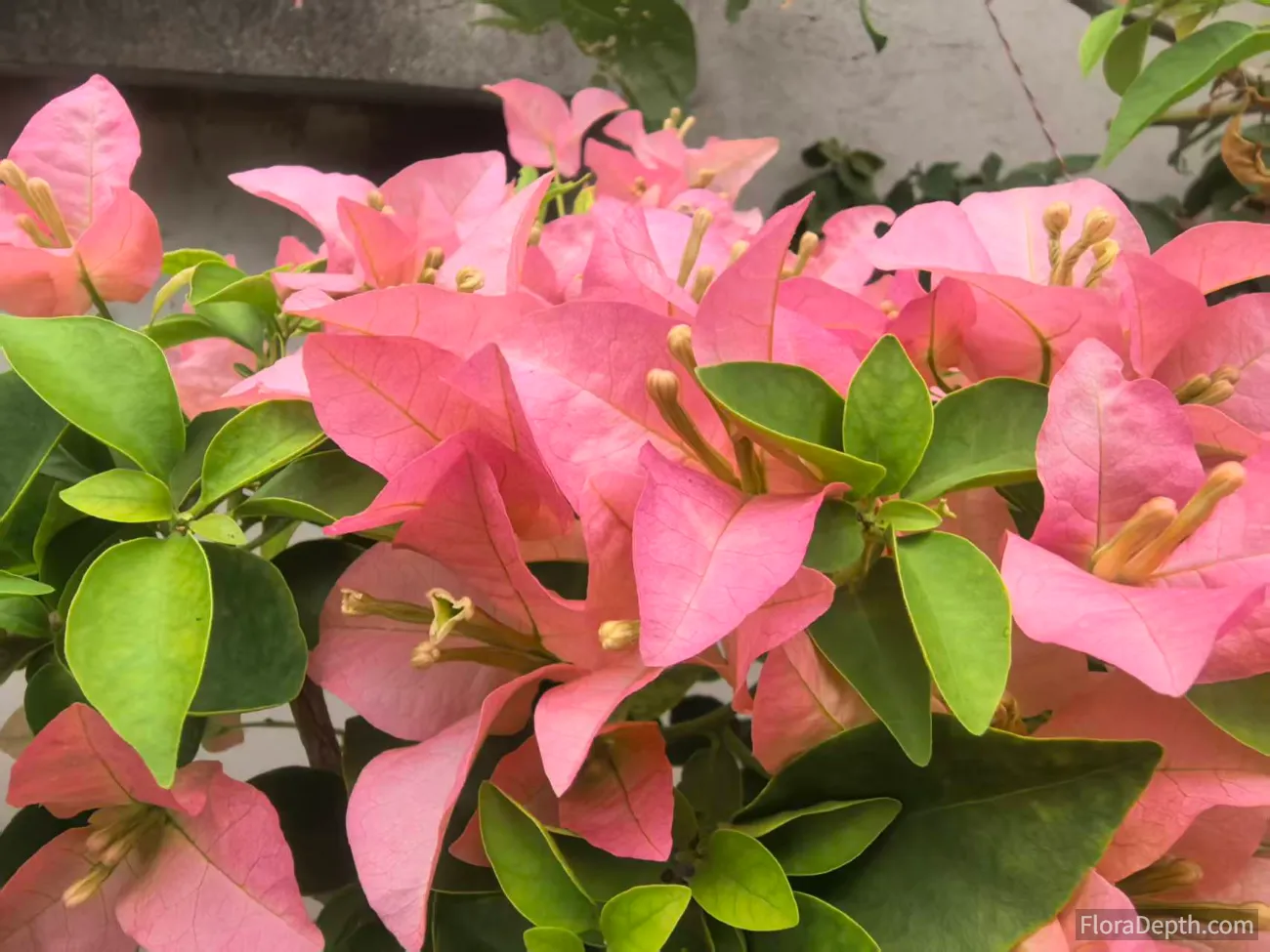
How to Make Bougainvillea Bloom: The Ultimate Guide
Learn how to make bougainvillea bloom with our complete care guide. Discover the exact sun, watering, fertilizer, and pruning secrets for non-stop flowers.

best fertilizer for bougainvillea before winter
Wondering what the best fertilizer for bougainvillea before winter is? Learn the right phosphorus and potassium rates, cold-protection boosters, and 4 pitfalls to avoid.

Bougainvillea Growing Too Fast But Not Blooming
Is your bougainvillea growing too fast but not blooming? Learn the 3 root causes of excessive vegetative growth and how to switch your plant to bloom mode with simple steps.