Can Bougainvillea Survive a Dark Basement Winter?
Can bougainvillea survive a dark basement winter? The short answer is yes—but first you need to figure out whether your basement is cold or warm. A cold one (5–10°C / 41–50°F) can be used as a cold, dark environment where the bougainvillea goes dormant and overwinters. A warm one (above 15°C / 59°F) absolutely requires grow lights—otherwise, toughing it out with too little light will drain the plant and slowly kill it.

First, remember this rule: Cold basement (5–10°C / 41–50°F) + slightly dry potting soil = safe dormancy; warm basement (above 10–15°C / 50–59°F) + grow lights = leaves kept, and possibly even flowers.
Table of Contents
Before Overwintering Bougainvillea in a Basement, Remember These Four Temperatures
Bougainvillea is a tropical plant, native to USDA zones 9b–11. It begins to suffer damage below about 4°C (40°F), and freeze damage becomes obvious below 0°C. If you want bougainvillea to survive a dark basement winter, you first need to confirm the basement's temperature.
- Above 15°C (59°F): The basement is on the warm side, and the bougainvillea is still growing or growing slowly—but with no light in the basement, it will grow leggy, with thin, weak branches and yellowing leaves. This is basically the number-one reason bougainvilleas die in basements. If you want a bougainvillea to overwinter in a warm basement, you must provide grow lights, 8–10 hours of supplemental light per day.
- 10–15°C (50–59°F): A semi-dormant range, where growth nearly stops. It can rest in a dark spot, but supplemental lighting is recommended; water according to a dormant, on-the-dry-side schedule.
- 5–10°C (41–50°F): This is the ideal dormancy range for bougainvillea (corresponding to 45–55°F). Even if the environment is dark, it doesn't matter—the plant will actively drop its leaves and go dormant, saving up energy for spring.
- Below 4°C (39°F): The root system begins to be at risk. Be sure to confirm that the basement does not freeze all winter and that the floor does not freeze.
Scenario 1: No Grow Lights—Take the Cold-Dormancy Route
No grow lights, and the basement temperature is 5–10°C (41–50°F)—this is the least troublesome path.
Let the potting soil dry out a bit before moving the plant indoors. Wet soil in a cold place is especially prone to root rot. Also, don't do heavy pruning when bringing it in—at low temperatures, cuts heal poorly and are prone to freeze damage and infection; leaving dead branches actually provides some insulation.
Avoid placing it near heating pipes, boilers, or vents. Ideally, put a foam board or wooden board under the pot to insulate it from the cold floor. Throughout the winter, water lightly once a month along the edge of the pot, using about one-third of the summer amount—just enough to keep the soil slightly moist and keep the roots from shrinking dry.
Scenario 2: With Grow Lights—Dormancy or Maintained Growth
If the basement is above 15°C (59°F), you need grow lights. Otherwise, the plant will grow leggy and exhaust itself. After a long period of leggy growth from lack of light, bougainvillea can be drained to death. When the temperature is sufficient and the light is sufficient, bougainvillea can even continue blooming in winter.
Choose full-spectrum lights (5000–6500K; ordinary plant lights are fine). Hang them 30–60 cm (about 12–24 inches) diagonally above the plant, and use a timer outlet to fix the on/off schedule. Run them 8–10 hours a day. Note: if you want flowers, the grow-light period must not exceed 12 hours—too long a photoperiod will affect flower bud differentiation.
If the basement temperature is 5–10°C (41–50°F) and the bougainvillea has entered dormancy, you can also use grow lights, providing 8–10 hours of supplemental light daily. This can greatly reduce branch shrinkage and dieback caused by cold, and the plant will grow better in spring.
Two Routes—Match Yourself to the Right One
- The basement is cold, and you don't want the hassle → Route 1. Don't panic if leaves drop; see you in spring.
- The basement is warm, and you have no other cold place at home → Route 2. Grow lights are a must.
Watering and Waking Up for Three Plant Conditions
Dormant period (after leaf drop): Follow the frequency of Route 1—water lightly along the pot edge once a month. Water only after the soil has dried out completely; better dry than wet.
Slow growth (grow-light route): Water when dry and let it dry between waterings. Water when the top 2–3 cm (about 1 inch) of soil is dry. Use room-temperature water; don't shock the roots with cold water.
Spring wake-up: Wait until the local nighttime temperature is steadily above 10°C (50°F) before moving it outside. First place it in partial shade for 7–10 days to acclimate, then gradually introduce it to sun. After new buds appear, resume watering and begin pruning (cut off thin, weak, leggy branches). Once the temperature is stable, apply a balanced fertilizer once to promote new branches.
Normal or a Problem? One Look Tells You
- Leaves drop, but branches are plump and normal in color → dormancy, normal, don't touch it.
- Leaves drop + branches wrinkle and shrink → roots are dehydrated. Add a little water along the pot edge; don't soak it through.
- Base turns black, soil surface grows mold → overwatering root rot or freeze damage. Stop watering, move it somewhere slightly warmer, and observe.
- Thin, long white shoots appear, with very long internodes → warm + dark = leggy growth. Either lower the temperature or add grow lights—pick one.

Lanyao
A home flower grower with hands-on experience since 2014. FloraDepth currently focuses on practical bougainvillea care and container gardening, with more flower-growing guides to come.
More about Lanyao →Latest Garden Notes
 I grew this perilla plant myself a while back, just planted it casually without expecting much. I never imagin…
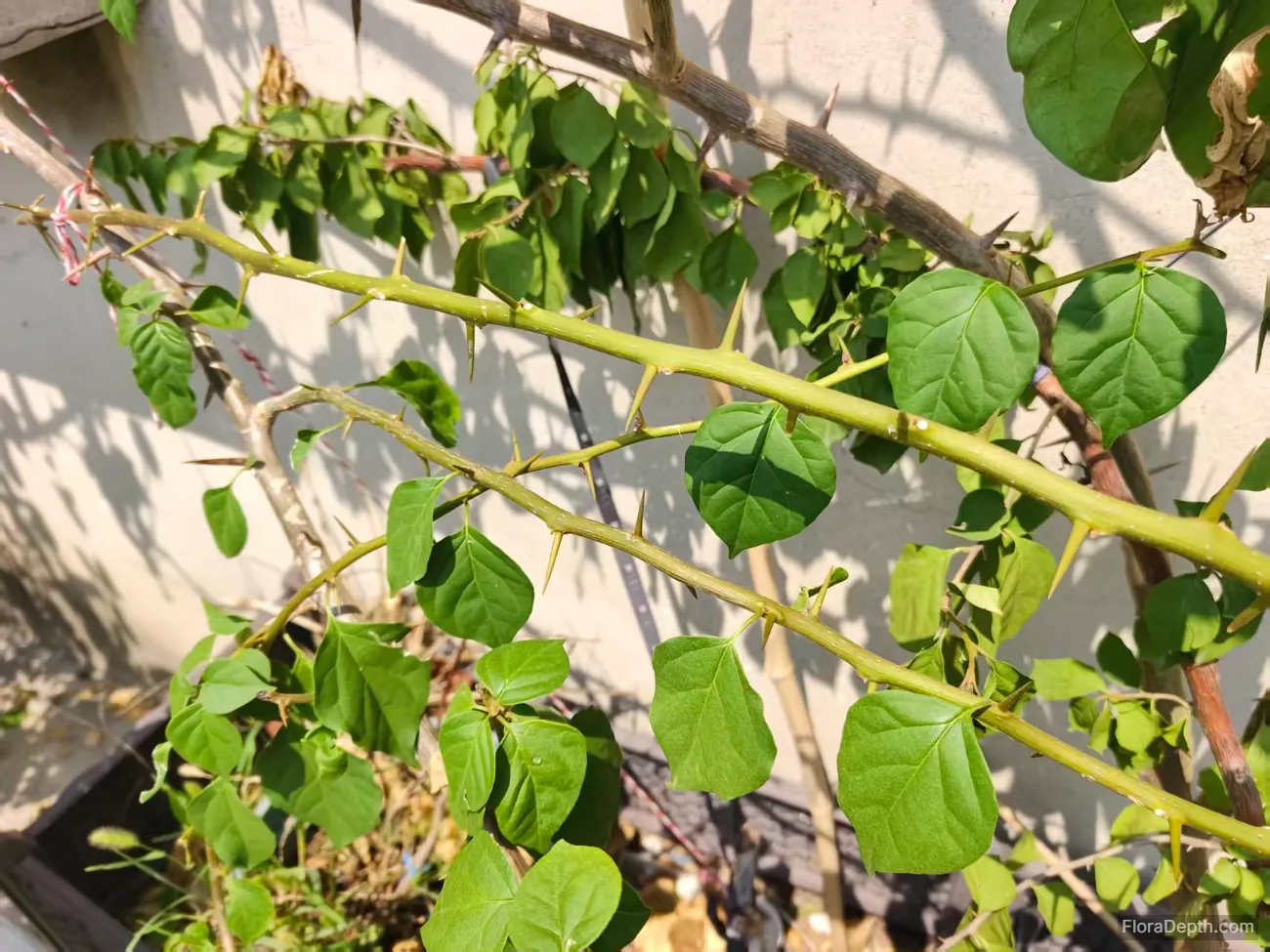 I have raised many roses before, and when it comes to pruning, it really makes my head grow bigger. For no oth…
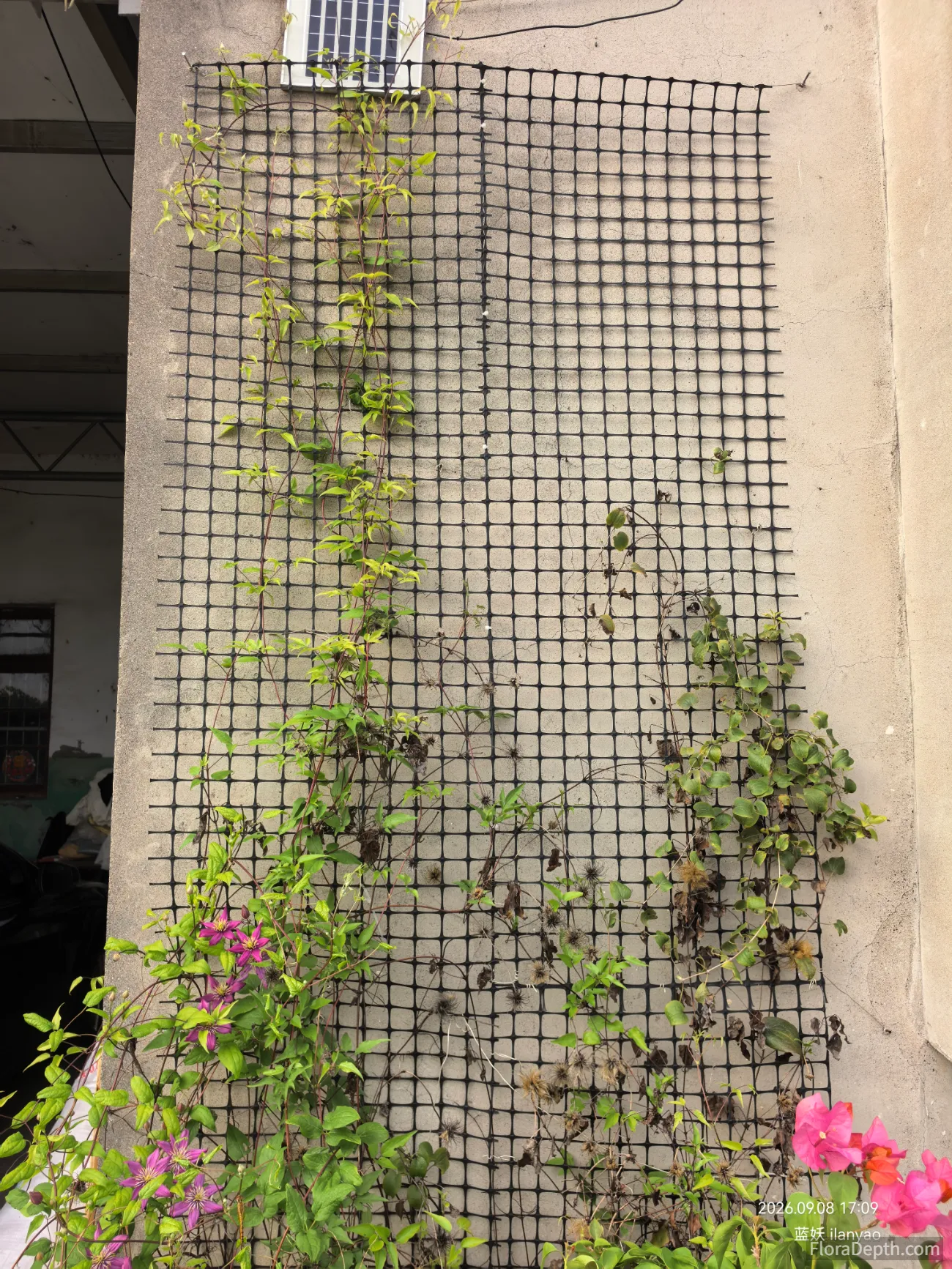 I walk past this clematis every day without really paying it any mind, but you know what? It's getting greener…
Related Articles
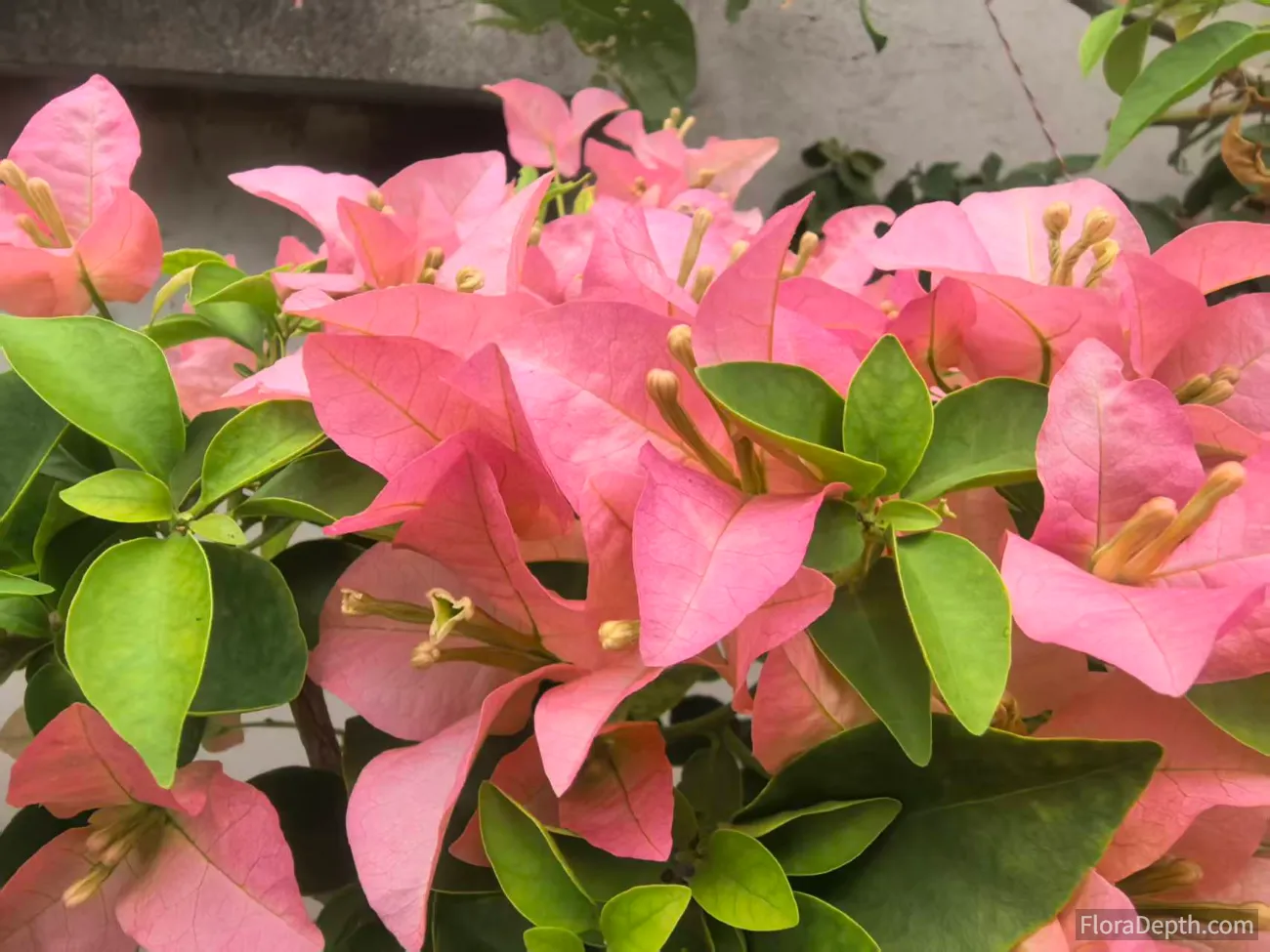
How to Make Bougainvillea Bloom: The Ultimate Guide
Learn how to make bougainvillea bloom with our complete care guide. Discover the exact sun, watering, fertilizer, and pruning secrets for non-stop flowers.

Bougainvillea Growing Too Fast But Not Blooming
Is your bougainvillea growing too fast but not blooming? Learn the 3 root causes of excessive vegetative growth and how to switch your plant to bloom mode with simple steps.

Bougainvillea in Pots: How to Protect It Through Winter
Learn the critical temperature thresholds for overwintering bougainvillea in pots—10°C to bring it indoors, 5°C as the final survival line. This full guide covers pre-indoor preparation, watering and fertilizing by plant condition, indoor light and temperature matching, and low-temperature survival plans for homes without heating.
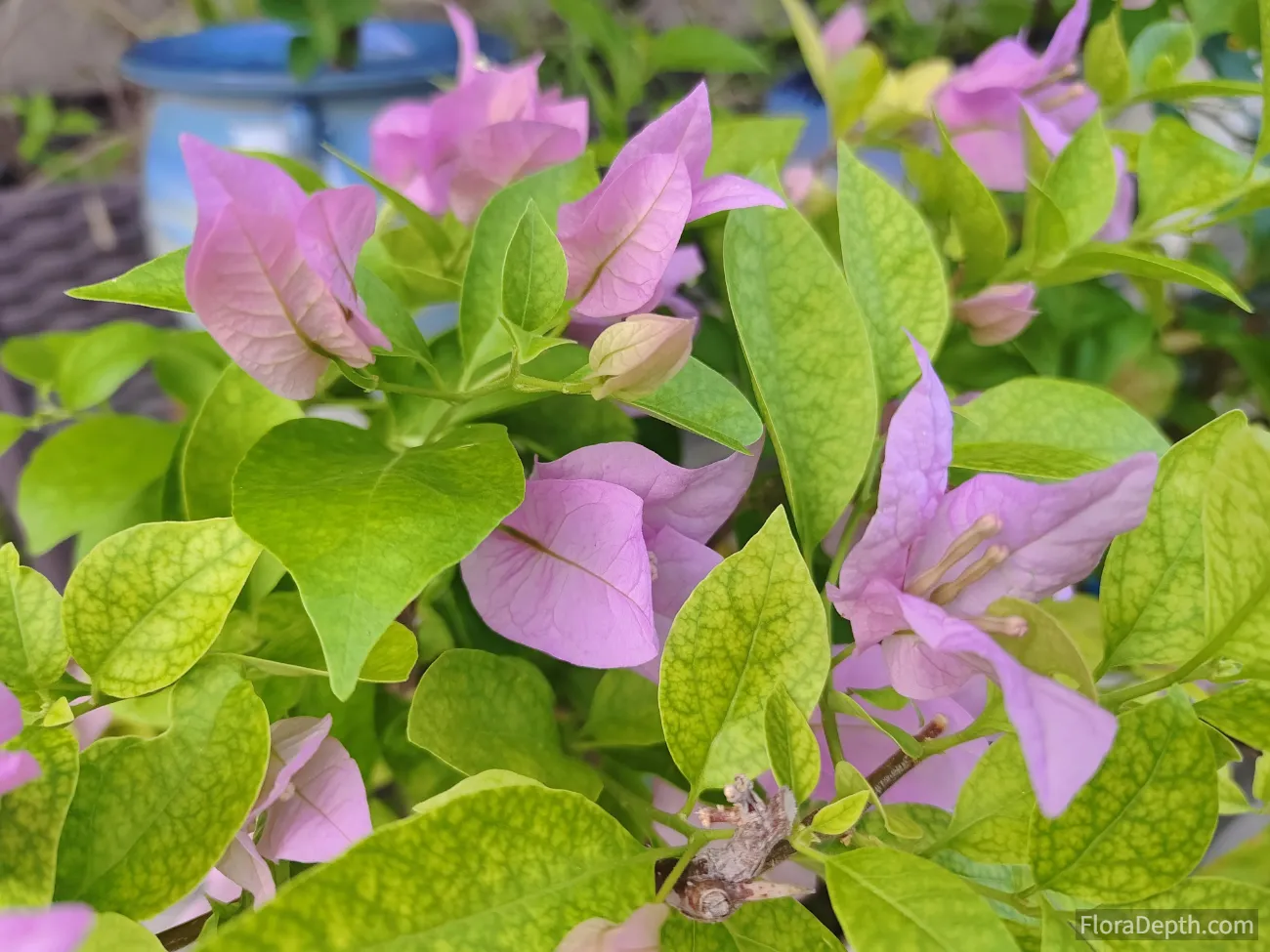
Bougainvillea Losing Flowers? 7 Reasons & How to Save It
Is your bougainvillea losing flowers or dropping buds? Discover 7 common causes—from overwatering to cold stress—and learn how to save your plant today!
Can Bougainvillea Bloom in Shade?
Wondering can bougainvillea bloom in shade? Discover the minimum light requirements, pruning tips for leggy growth, and a proven blackout method to force blooms in low-light yards.