Bougainvillea Growing Too Fast But Not Blooming
Is your bougainvillea growing too fast but not blooming? You might notice shoots shooting up tens of centimeters in a month, with big, lush green leaves, yet it refuses to flower. When branches and foliage grow too vigorously, all the nutrients go toward vegetative growth, leaving no resources for flower bud development. In horticulture, this is called excessive vegetative growth.

If you're wondering why your bougainvillea is growing fast but has no flowers, this article by Lanyao will guide you through three simple steps to switch your plant from "leaf-growing mode" to "blooming mode."
Table of Contents
First, Distinguish: Is It True Leggy Growth, or Just Not the Blooming Season?
Bougainvillea is naturally a prolific bloomer. With proper care, it can flower several times a year. Therefore, if your bougainvillea is growing too fast but not flowering, it's likely not a timing issue, but a condition issue. Here are three criteria to help you judge:
- Internode spacing: Normal branches have compact spacing between two leaves, while leggy branches can stretch to more than 2 inches (5 cm) apart.
- Leaves: Normal leaves are thick and dark green; leggy leaves are large, thin, and bright tender green.
- Branch tips: Normal branch tips have flower buds resembling tiny grains of rice; leggy branches only have leaf buds and thorns.
| Part | Normal Branch | Leggy Branch |
|---|---|---|
| Internode Spacing | Compact, 0.4–0.8 inches (1–2 cm) | More than 2 inches (5 cm) |
| Leaves | Thick, dark color | Large, thin, tender green |
| Branch Tip | Flower buds visible | Only leaf buds and thorns |
If your plant matches the right column across the board, it is basically suffering from excessive vegetative growth.

Why Is My Bougainvillea Growing Fast But Not Flowering? The Root Causes
In summary, there are three main factors that cause bougainvillea leggy growth and prevent blooming:
1. Too Much Nitrogen Fertilizer
Nitrogen is the primary driver for leaf growth. If the fertilizer you apply has a high nitrogen content, the bougainvillea will easily go into overdrive growing branches. This is one of the most common reasons why a bougainvillea is growing fast but has no flowers.
2. Insufficient Light
Bougainvillea requires more than 6 hours of direct sunlight daily. When light is insufficient, branches will continuously grow taller to "search for light," causing the internodes to stretch further and further apart.
3. Abundant Water and Fertilizer
When water and nutrients are plentiful, the bougainvillea lives in comfort. It focuses solely on growing roots and leaves, feeling no urgency to bloom. This "pampering" is exactly why your bougainvillea is growing fast but has no flowers.
If you notice your bougainvillea growing leggy, don't rush to prune. First, identify the cause of the leggy growth. Cutting off leggy branches might look tidy, but if the fertilizer, water, and light conditions remain unchanged, the new shoots will just grow leggy again, potentially making the plant even more vigorous in vegetative growth.
Three Steps to Switch Your Plant Back to Bloom Mode
These three steps can help correct excessive vegetative growth, but flowering depends on several factors working together. For a complete step-by-step plan covering sunlight, watering, fertilizer, pruning, and container conditions, see our guide on complete guide to getting bougainvillea to bloom
1. Stop Nitrogen, Switch to Phosphorus and Potassium
Stop all nitrogen-containing fertilizers (compound fertilizers, balanced slow-release fertilizers, urea). Switch to monopotassium phosphate (KH₂PO₄), diluted 500 times (2 grams per 1 liter of water). Apply once every 5–7 days, alternating between foliar spraying and root drenching. Phosphorus and potassium promote flower bud formation. Once you stop the nitrogen, the signal for the plant to "grow its body" weakens, and nutrients slowly shift toward blooming. This is the first step to stop your bougainvillea from growing fast but not flowering.
2. Control Watering to Push It Out of Its Comfort Zone
This is the most effective trick for promoting blooms. When moisture is abundant, the plant feels life is easy and focuses only on growing leaves. Slow down your watering rhythm. Wait until the potting soil is completely dry and the leaves become soft and slightly curled before watering thoroughly. When the plant feels that "life is getting tough," it will hurry to reproduce the next generation, shifting its nutrients toward flowering.
Continue this water control for 3–4 weeks. During this period, repeatedly let it "dry out until the leaves soften before watering" until tiny rice-grain-like flower buds appear at the tips of the branches. Then, resume normal watering. Water control must be moderate—do not let it die from drought. You can water as soon as the leaves become soft and droopy.
3. Root Pruning (For Potted Plants; Use Trenching for Ground-Planted Ones)
If the plant still doesn't bloom after the first two steps, the root system is likely too vigorous. Remove it from the pot to check. If the root ball fills the pot and you can hardly see any soil, prune off the outer 1/3 of the old roots and repot it in fresh, breathable potting mix. Root pruning will induce blooming.
For ground-planted bougainvillea where you can't prune the roots directly, use a shovel to cut a vertical circle around the outer edge of the canopy's projection, about 12 inches (30 cm) deep. The effect is similar. Combining this step with water control yields very obvious results in promoting blooms.
Care Strategies Vary by Plant Stage
- Leggy Growth Stage: Stop nitrogen, control water, maximize light exposure, and water only when the soil is completely dry.
- Water-Control Bloom Promotion Stage: Water only when leaves soften, and keep up with phosphorus and potassium fertilizers.
- Budding and Blooming Stage: Resume normal watering, and continue using monopotassium phosphate until the flowers fade.
The same plant requires completely different watering and fertilizing routines at different stages. Do not use the same regimen all year round.

Lanyao
A home flower grower with hands-on experience since 2014. FloraDepth currently focuses on practical bougainvillea care and container gardening, with more flower-growing guides to come.
More about Lanyao →Latest Garden Notes
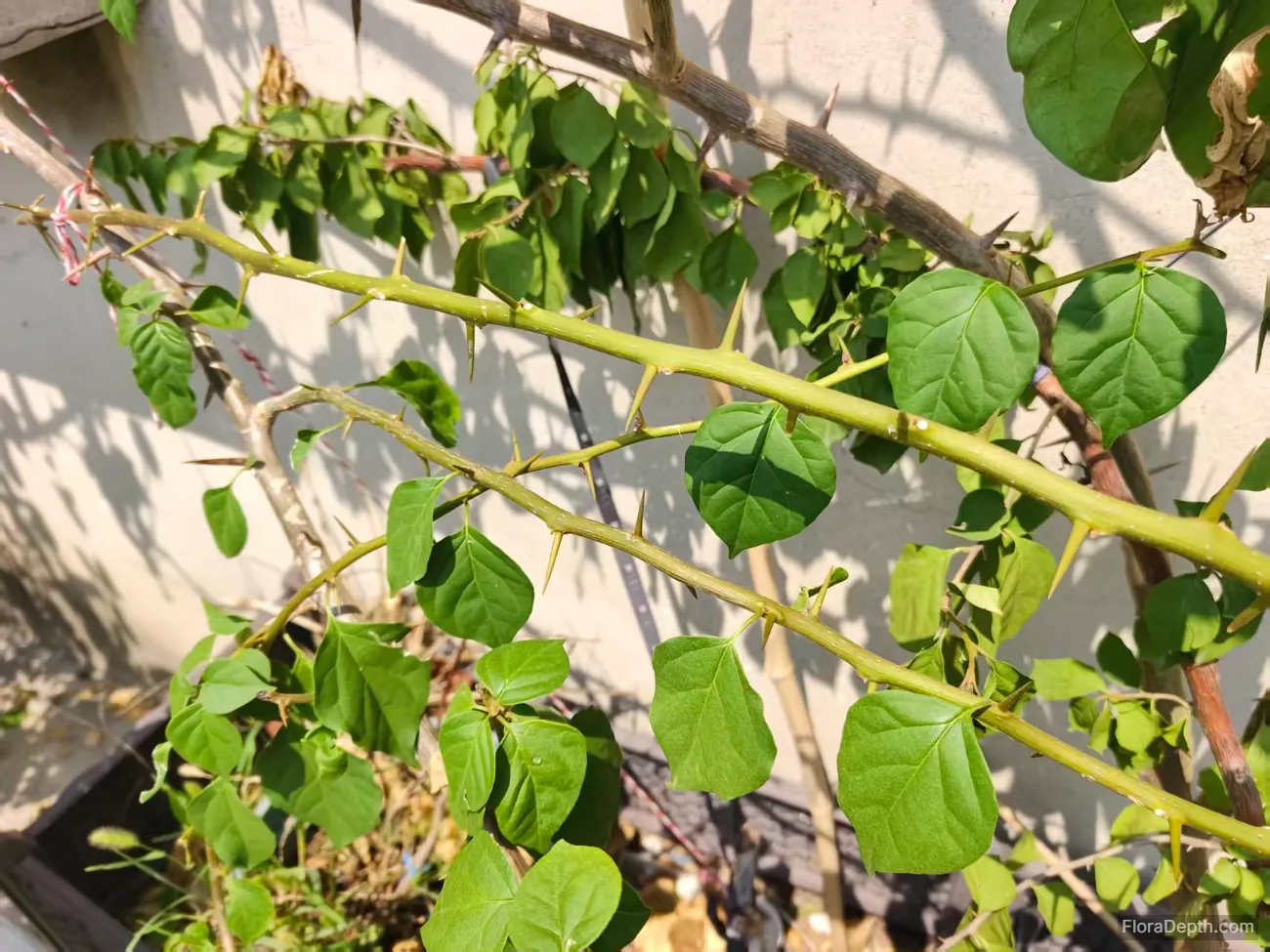 I have raised many roses before, and when it comes to pruning, it really makes my head grow bigger. For no oth…
 I walk past this clematis every day without really paying it any mind, but you know what? It's getting greener…
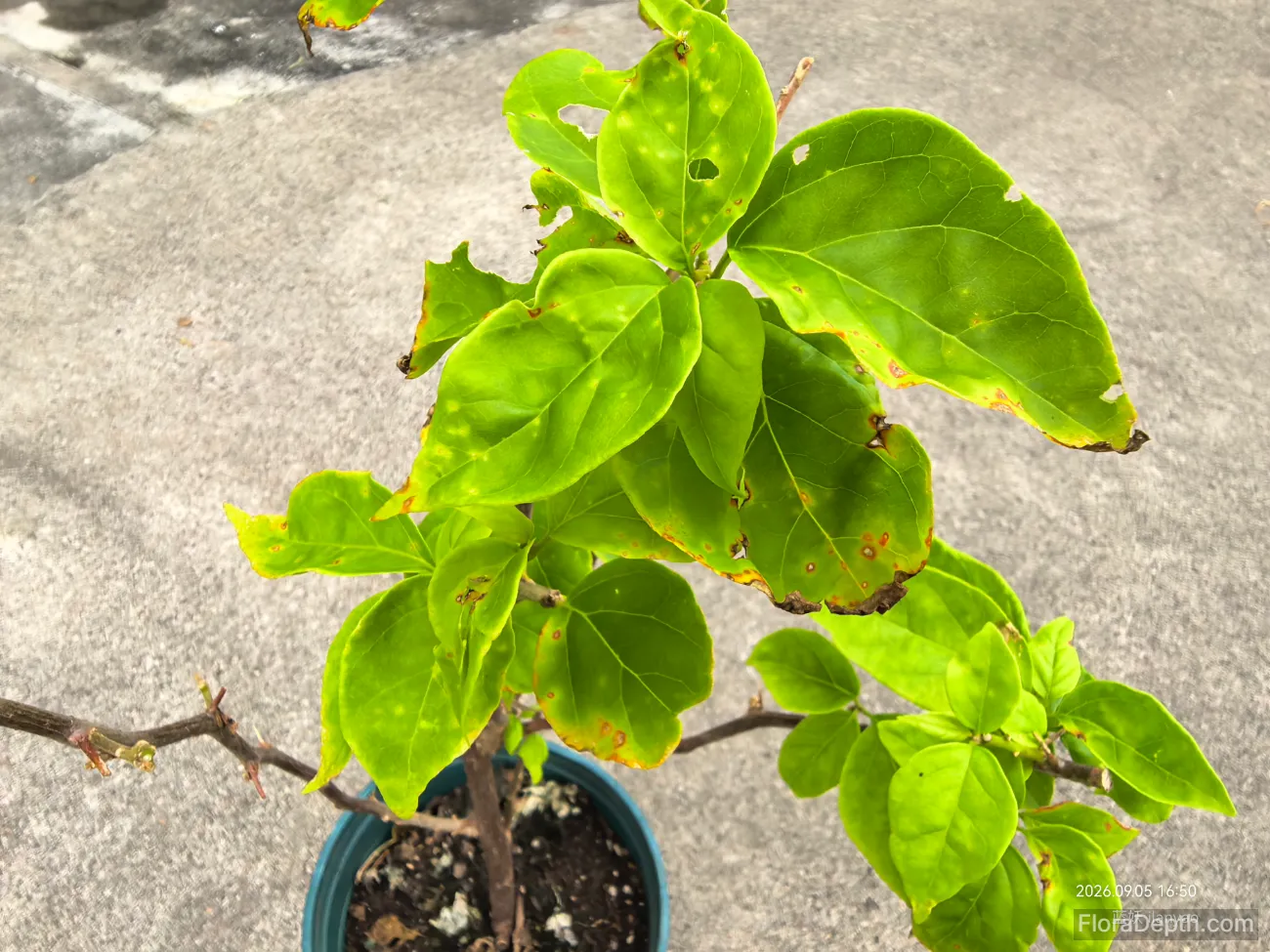 While checking on my bougainvilleas today, I noticed one plant showing clear signs of anthracnose, with its le…
Related Articles
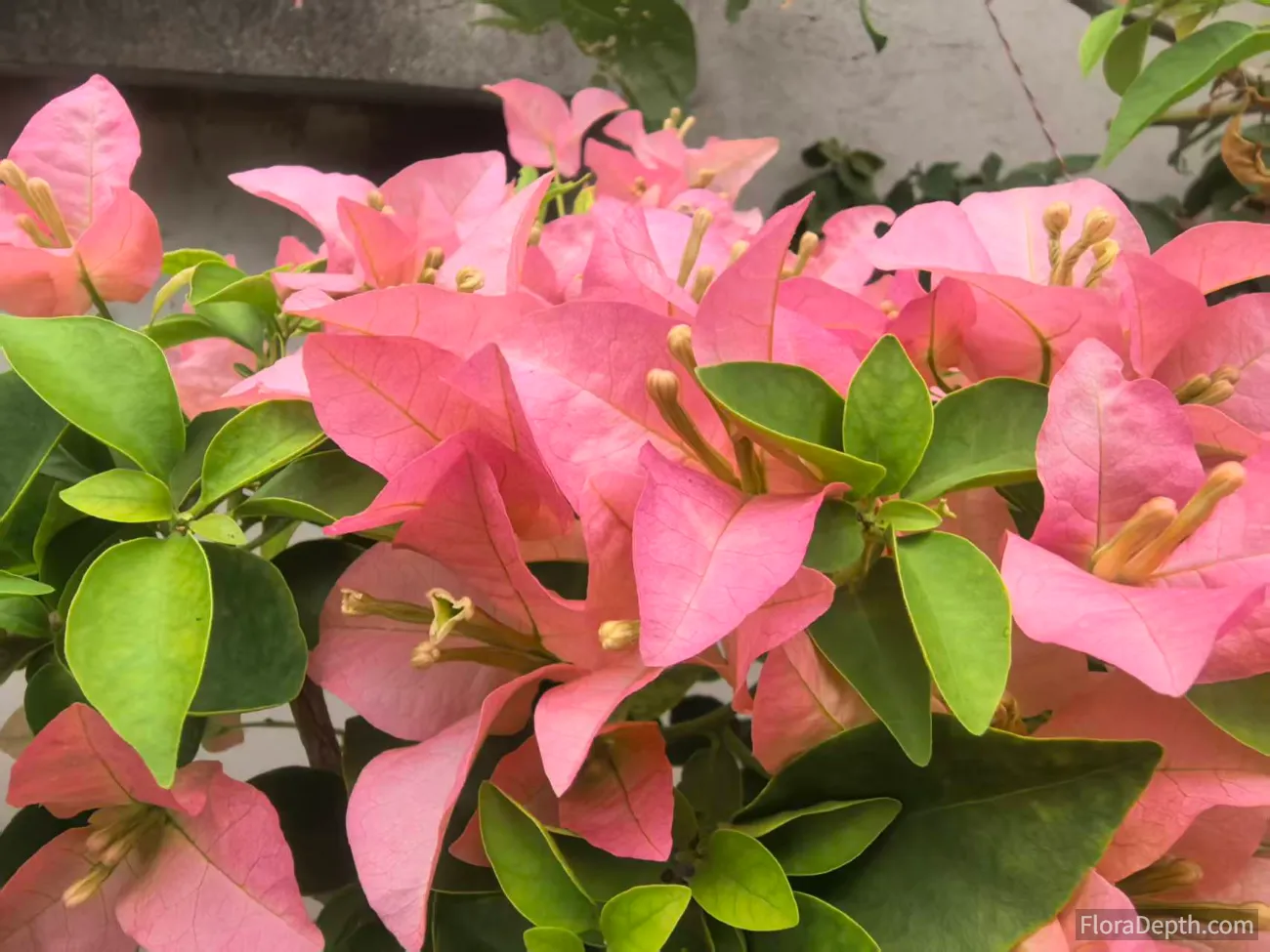
How to Make Bougainvillea Bloom: The Ultimate Guide
Learn how to make bougainvillea bloom with our complete care guide. Discover the exact sun, watering, fertilizer, and pruning secrets for non-stop flowers.
Bougainvillea Losing Flowers? 7 Reasons & How to Save It
Is your bougainvillea losing flowers or dropping buds? Discover 7 common causes—from overwatering to cold stress—and learn how to save your plant today!
Can Bougainvillea Bloom in Shade?
Wondering can bougainvillea bloom in shade? Discover the minimum light requirements, pruning tips for leggy growth, and a proven blackout method to force blooms in low-light yards.

How Much Sun Does Bougainvillea Need to Bloom?
Discover how much sun a bougainvillea needs to bloom. Learn the ideal 6-12 hour direct sunlight rule, avoid common traps, and force blooms today!
how often to water bougainvillea
Master the ideal watering routine for potted and garden bougainvilleas. Learn how often to water bougainvillea by season, dry-out cycle tips, and easy ways to prevent root rot or encourage vibrant blooms.