How to Care for Bougainvillea in Winter
Bougainvillea is famously known as a "tropical flower." While it thrives in heat and tolerates full sun, it is highly sensitive to cold. Proper bougainvillea care in winter is a source of anxiety for countless gardeners: bringing the plant indoors too late risks frost damage, while bringing it in too early can cause leaf drop, flower loss, and a shortened blooming season.
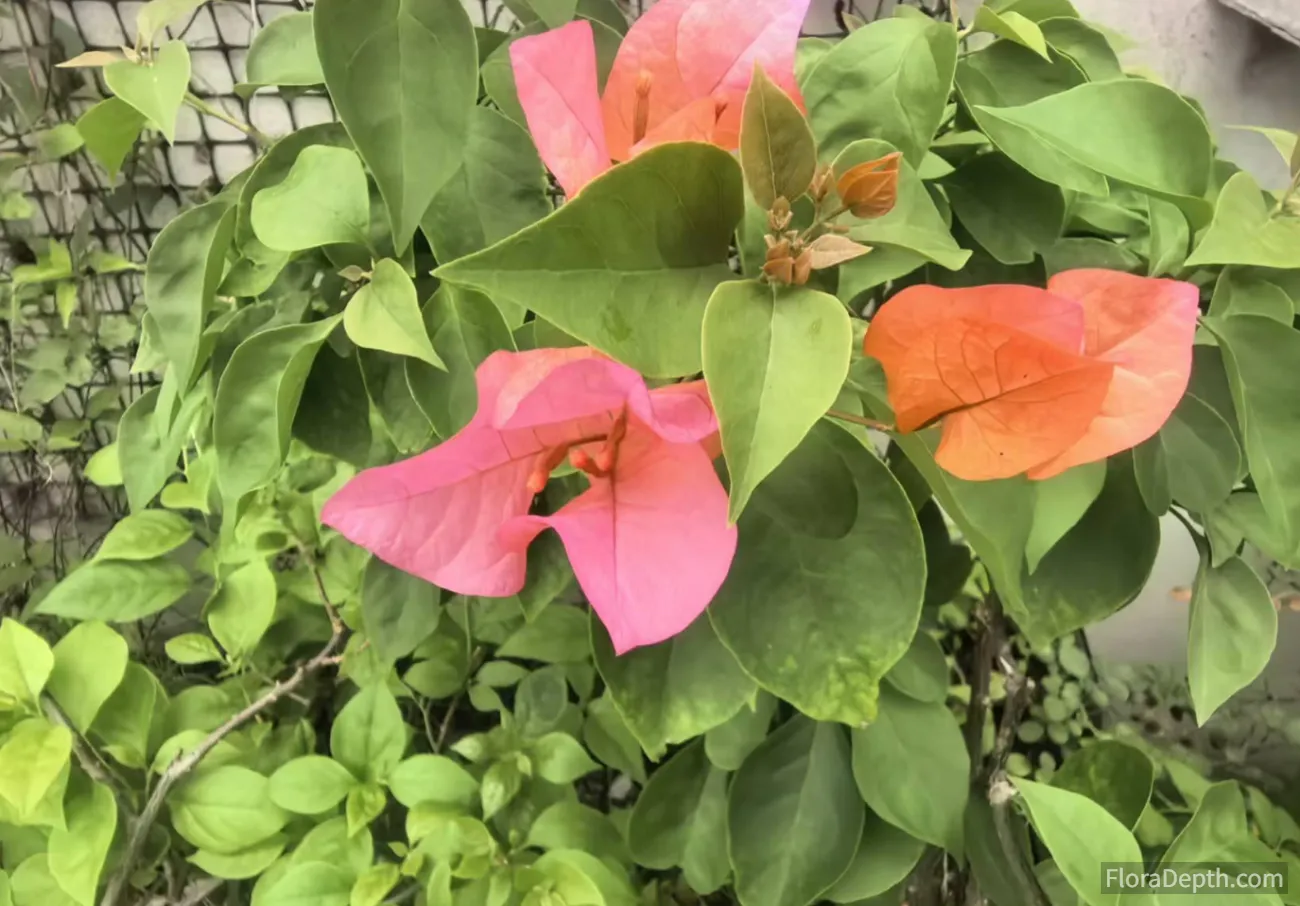
In this comprehensive guide to overwintering bougainvillea, Lanyao will walk you through the complete process: how to protect in-ground plants from frost, when to move potted plants indoors, and how to prevent leaf and flower drop once they are inside. Follow these steps, and your bougainvillea can continue to bloom profusely throughout the cold months.
Table of Contents
When to Move Bougainvillea Indoors for Winter Care
Native to tropical regions of South America, bougainvillea has no natural frost tolerance. Memorize this temperature guide—it is the most critical reference for successful bougainvillea care in winter:
| Temperature | Effect on Bougainvillea |
|---|---|
| Above 50°F (10°C) | Safe; normal growth and blooming |
| 39–50°F (4–10°C) | Growth slows; may begin dropping some leaves; enters semi-dormancy |
| 30–39°F (-1–4°C) | Stress zone; leaves begin to suffer. Potted plants must be moved indoors |
| Below 30°F (-1°C) | Leaves drop; branches suffer frost damage; potted plant roots begin to suffer |
| Below 25°F (-4°C) | Potted plant roots die; in-ground roots face severe risk |
For potted bougainvillea, consider moving them indoors when nighttime temperatures consistently drop below 50°F (10°C). If nighttime temperatures fall below 41°F (5°C), moving them indoors is mandatory. Leaving them outside will quickly result in leaf and flower drop, pushing the plant into semi-dormancy or full dormancy.
Young plants have weak root systems; it is recommended to bring them indoors when nighttime temperatures drop below 50°F (10°C). If you have a sunroom, or if your indoor space offers good light and warmth during winter, moving the plant indoors early is also advised to extend the blooming period.
In-ground bougainvillea also requires some cold-protection measures when nighttime temperatures drop below 41°F (5°C) to help them survive the winter safely.
Beware of Sudden Temperature Drops
Pay special attention to drastic temperature drops in late autumn and winter. Even if nighttime temperatures remain above 41°F (5°C), a sudden, steep plunge can be fatal to outdoor bougainvillea, often causing frost damage overnight. Before a major temperature drop occurs, move the plant indoors in advance to prevent frost damage.
Pre-Indooring Preparation Checklist
- Stop Nitrogen Fertilizer: Stop using nitrogen-containing fertilizers in autumn. Nitrogen promotes tender new growth, which is highly susceptible to frost and cannot adapt to low indoor light levels; it will inevitably die.
- Apply Phosphorus and Potassium Fertilizer in Autumn: This not only promotes branch maturation and increases cold hardiness but also encourages the development of more flower buds, resulting in profuse blooming.
- Gradually Reduce Watering: As temperatures drop, reduce watering frequency accordingly. Pay special attention to water restriction 1–2 weeks before moving the plant indoors. A drier potting mix makes the transition to the indoor environment much easier.
- To Prune or Not to Prune: If conditions allow, avoid pruning. If your indoor space has ample light and warm temperatures, the plant can continue blooming after being moved inside.
- Pruning for Low-Light or Cool Spaces: If indoor light is poor or temperatures cannot be maintained above 50°F (10°C), pruning is still not recommended. However, if space is limited, you may prune moderately—removing about one-third of the plant—to make it easier to move and to reduce space requirements indoors.
- Never Prune Heavily: Avoid severe pruning to prevent winter branch dieback.
- Inspect for Pests: Check the undersides of leaves and branches, paying close attention to spider mites, scale insects, and mealybugs. Before bringing the plant indoors, spray it with insecticidal soap or neem oil; otherwise, you are simply inviting pests into your home.
- Clear Debris: Remove all dead leaves, spent flowers, and debris from the soil surface.
- Grow Lights: While not strictly essential, if your indoor temperature can be maintained around 50°F (10°C) but light is insufficient, using a grow light is recommended. Supplementing with 4 hours of light per day can extend the blooming period.
Cold Protection for In-Ground Plants During Winter
In regions where winters are mild enough for in-ground planting, bougainvillea can survive through "layered protection." The core principle of this bougainvillea care in winter is to protect the roots first—as long as the root system survives, the plant can resprout from the base in spring, even if the branches die back.
- Mulch the Roots for Frost Protection: In late autumn, apply a 3–4 inch (8–10 cm) layer of shredded bark or wood chips around the base of the plant. Leave a gap of about 3 inches (8 cm) between the mulch and the main stem to prevent stem rot.
- Use Breathable Frost Cloth—Never Plastic: When nighttime temperatures are forecast to drop below 30°F (-1°C), wrap the entire plant to the ground with frost cloth (horticultural fleece) and secure it firmly. Uncover it promptly the next day when temperatures rise. Plastic sheeting is not breathable; trapped moisture is highly likely to cause disease.
- Plant Against a South-Facing Wall: Brick walls absorb heat during the day and release it at night, raising nighttime temperatures near the wall by several degrees. A south-facing wall provides the best microclimate for marginal climates.
- Water the Night Before a Frost: Moist soil retains heat better than dry soil, offering brief root protection.
- Don't Rush to Prune Frost-Damaged Branches in Autumn: Branches that appear dead may still be insulating living tissue below. Wait until late winter or early spring, when new growth emerges and reveals which parts are alive, then prune back to healthy green tissue.
Indoor Bougainvillea Care in Winter: Preventing Leaf and Flower Drop
Once moved indoors, the two biggest threats are not cold, but insufficient light and overwatering. Follow this indoor care routine, and in most cases, you can stop leaf drop and help your bougainvillea overwinter safely.
1. Provide Ample Light
Bougainvillea requires at least 4–6 hours of direct sunlight daily, so adequate light is essential even when grown indoors. Insufficient light is the number one cause of leaf and flower drop.
Remember:
Temperatures above 50°F (10°C) + ample light = continuous, profuse blooming.
If light is inadequate, use a grow light to supplement for 4–6 hours daily. Even if the plant doesn't bloom continuously, this will keep it active and prevent dieback or branch shrinkage.
2. Match Temperature to Light Levels
For indoor overwintering, higher temperatures are not always better. If temperatures are high but light is low, the plant will become leggy and weak.
- Ideal Environment: Temperatures above 59°F (15°C) combined with at least 6 hours of direct sunlight, or 4–6 hours of supplemental grow light. Under these conditions, bougainvillea can bloom continuously throughout the winter.
- High Temperature, Low Light: This environment will cause legginess. You must use a grow light. If supplemental lighting is not possible, move the plant to a cooler environment (32–50°F / 0–10°C), which is more suitable. Keep it away from heated rooms.
- Ample Light, Low Temperature: As long as temperatures do not drop below 23°F (-5°C), the plant will be fine. It will simply drop its leaves and enter dormancy, then resprout and bloom vigorously in spring.
- Absolute Don'ts: Never place the plant near radiators, air conditioning vents, or fireplaces. Also avoid drafty areas near doors or window gaps. Hot, dry air and cold drafts will directly trigger leaf drop.
3. Water According to Environment and Plant Condition
Nine out of ten bougainvillea plants that die in winter are killed by overwatering. Always adjust watering based on your specific growing environment and the plant's condition.
- Dormant, Leafless Bougainvillea: During dormancy, water needs are minimal. Keep the plant on the dry side throughout winter. Only water when the soil is extremely dry, and apply water gently around the edge of the pot. Never water heavily or frequently, as this easily leads to root rot. Water during the warmest part of the day, ideally around midday.
- Actively Growing or Blooming Bougainvillea: If indoor temperature and light conditions are favorable, bougainvillea can continue growing and blooming in winter. For these plants, water normally using the "soak and dry" method: water thoroughly when the soil is dry, and always empty the saucer promptly to prevent waterlogging.
4. Fertilize Based on Plant Condition
- Dormant or Very Slowly Growing Bougainvillea: Stop fertilizing entirely; just water as needed.
- Actively Growing or Blooming Bougainvillea: Due to shorter daylight hours in winter, bougainvillea can still continuously differentiate flower buds in environments with good temperature and light. For fertilization, Lanyao recommends focusing on phosphorus and potassium fertilizers, which will enable your bougainvillea to produce successive, non-stop flushes of blooms.

Lanyao
A home flower grower with hands-on experience since 2014. FloraDepth currently focuses on practical bougainvillea care and container gardening, with more flower-growing guides to come.
More about Lanyao →Latest Garden Notes
 I walk past this clematis every day without really paying it any mind, but you know what? It's getting greener…
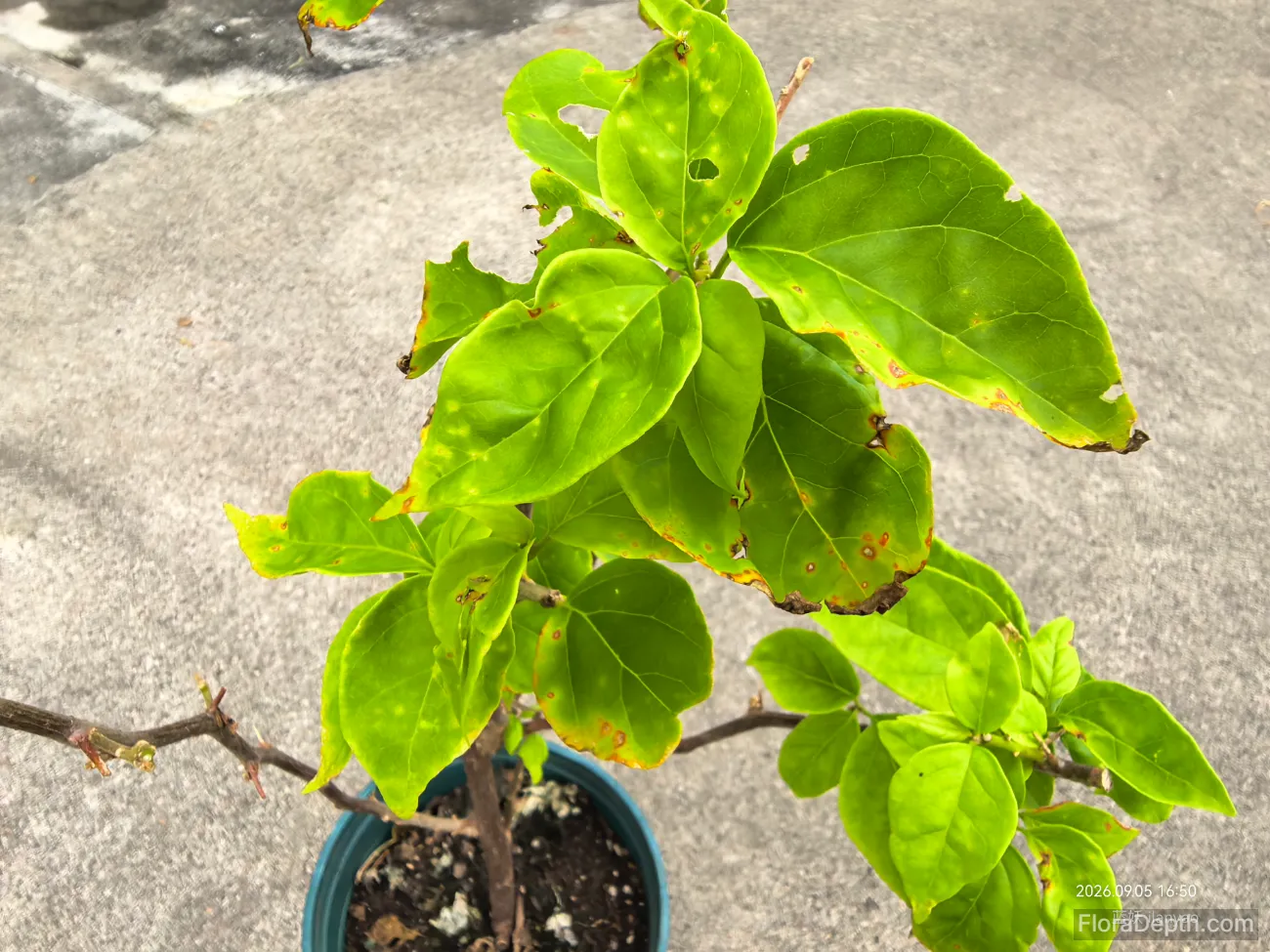 While checking on my bougainvilleas today, I noticed one plant showing clear signs of anthracnose, with its le…
 It's been raining nonstop for the past couple of days. Some of the bougainvilleas are still blooming, but if c…
Related Articles
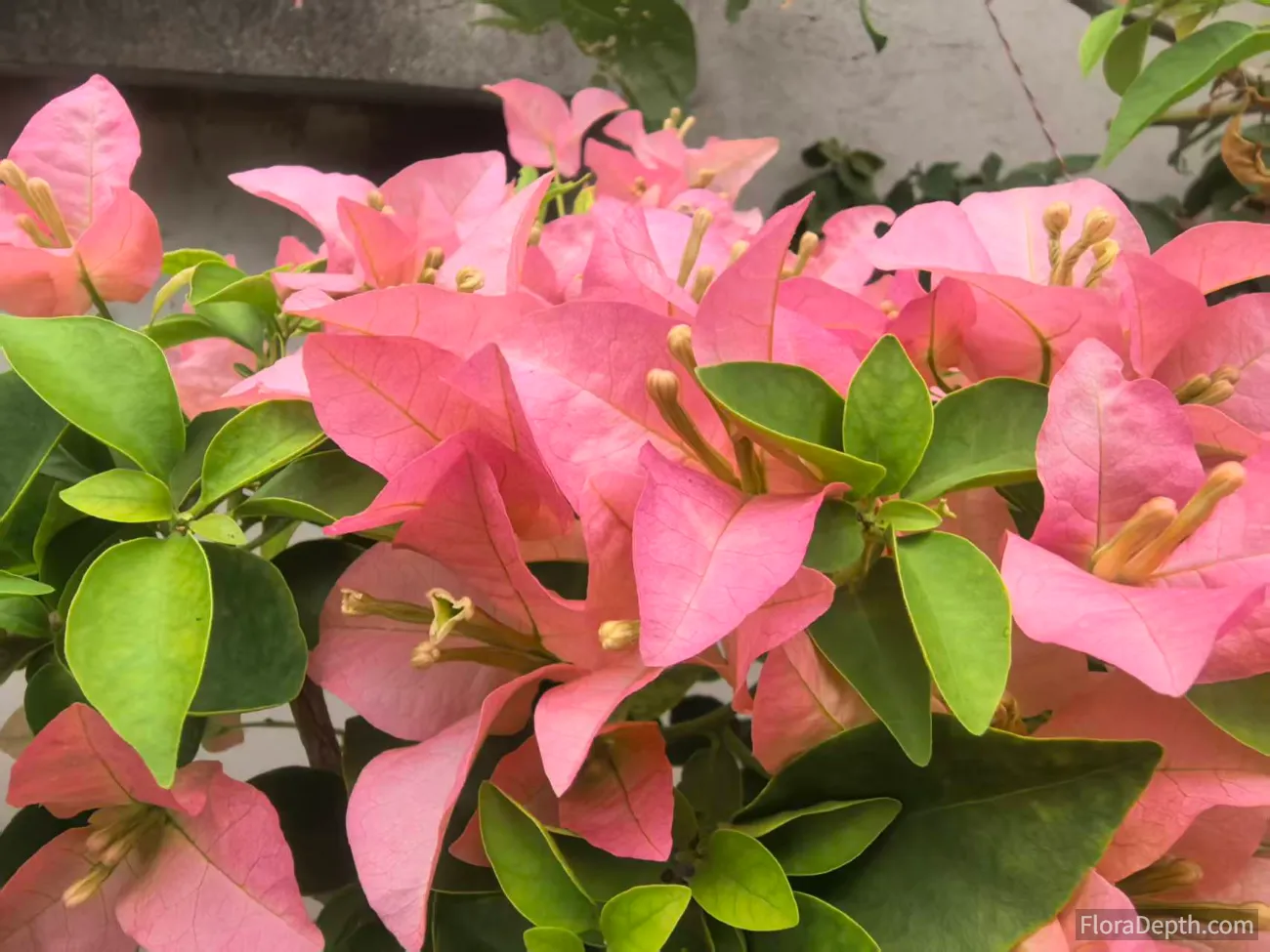
How to Make Bougainvillea Bloom: The Ultimate Guide
Learn how to make bougainvillea bloom with our complete care guide. Discover the exact sun, watering, fertilizer, and pruning secrets for non-stop flowers.
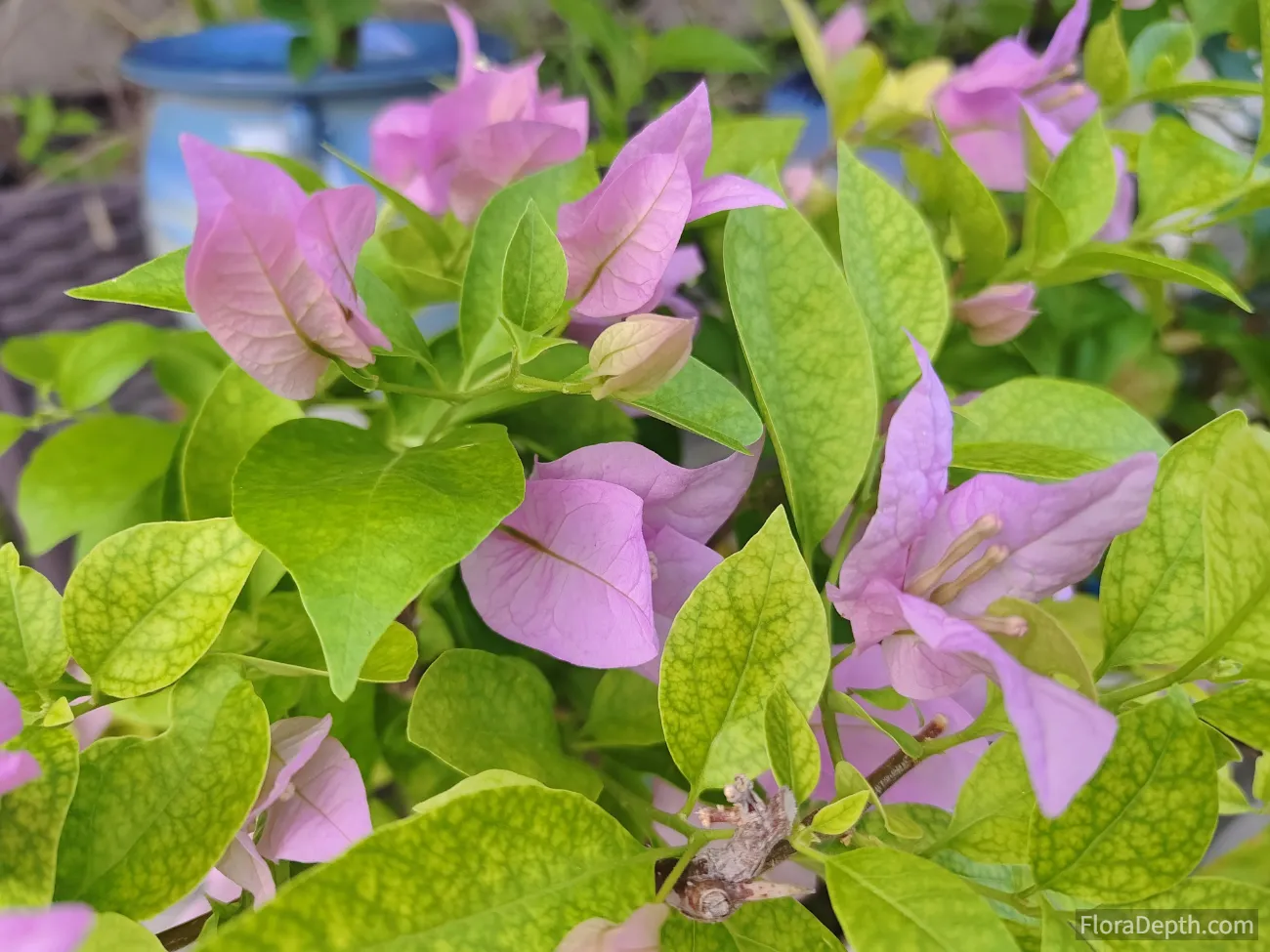
Bougainvillea Losing Flowers? 7 Reasons & How to Save It
Is your bougainvillea losing flowers or dropping buds? Discover 7 common causes—from overwatering to cold stress—and learn how to save your plant today!
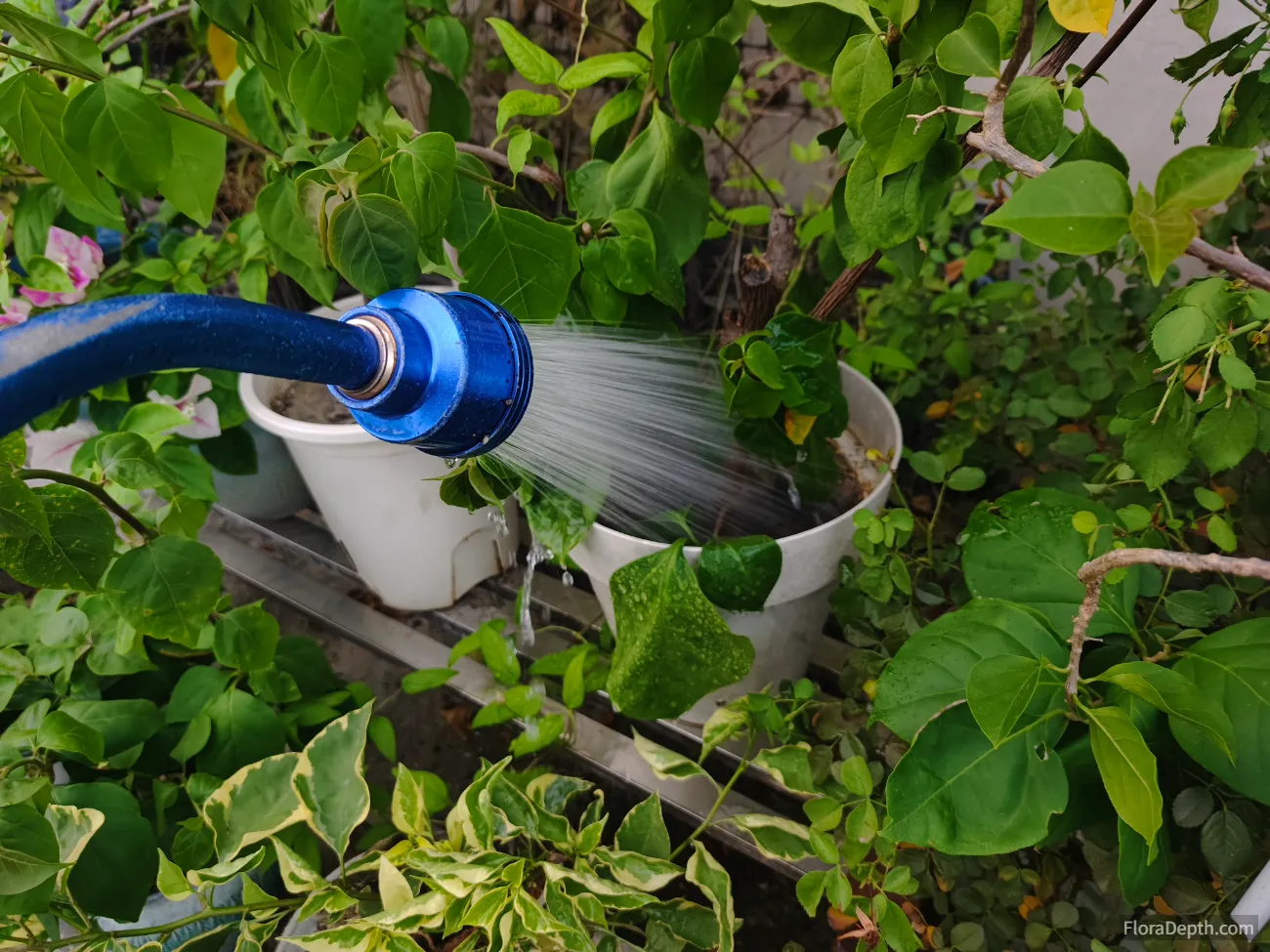
how often to water bougainvillea
Master the ideal watering routine for potted and garden bougainvilleas. Learn how often to water bougainvillea by season, dry-out cycle tips, and easy ways to prevent root rot or encourage vibrant blooms.
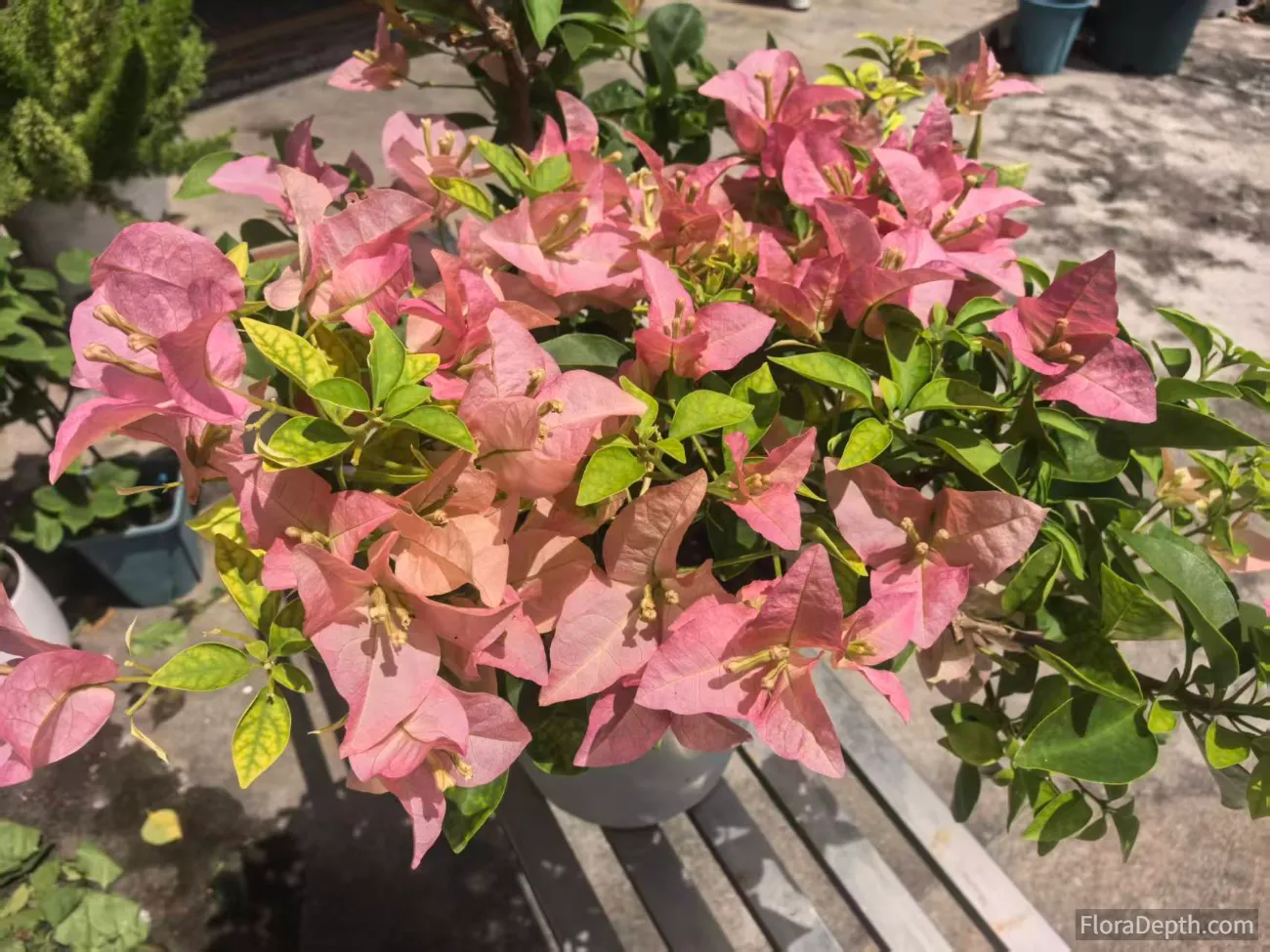
how to keep bougainvillea blooming in pots
Master how to keep bougainvillea blooming in pots with 4 golden rules and 10 practical tips. Learn to force continuous massive blooms all year round.
How to Prune Bougainvillea to Encourage Flowers
Is your bougainvillea all leaves? Learn exactly how to prune bougainvillea to encourage flowers and get a massive bloom explosion in just one month!