best fertilizer for bougainvillea before winter
When bougainvillea drops its leaves at the first cold snap, develops yellow leaves or drops flowers after being brought indoors, and then grows nothing but leaves the following spring, these three problems usually come down to fertilizer management before winter.
Choosing the best fertilizer for bougainvillea before winter is not a matter of the more, the better. Fertilize incorrectly, and you'll push out a flush of tender new growth that gets entirely frost-damaged when the cold wave arrives. In this article, Lanyao explains how to fertilize bougainvillea before overwintering—follow these steps, and next year's bloom will double.

Table of Contents
Before winter, focus on phosphorus and potassium fertilizers—follow the rates and frequencies below
| Temperature range | Plant status | Fertilizing action |
|---|---|---|
| Above 15°C (59°F) | Still growing or blooming | Monopotassium phosphate at 1:1000, drench the root zone, once every 10–15 days |
| 3–4 weeks before winter | Preparing for dormancy | High-potassium fertilizer 15-20-25 diluted 1:3000–4500 with water, once every 10 days, for 3–4 applications |
| Below 10°C (50°F) | Fully dormant | Stop fertilizing |
If the plant is still blooming and the branches are still growing, use monopotassium phosphate at 1:1000 as a root drench—that is, 1 gram dissolved in 1 liter of water—once every two weeks, and continue until just before winter. Stop once the temperature falls below 15°C (59°F). The purpose of applying the best winter fertilizer for bougainvillea is very clear: to help the branches age as quickly as possible and the root system grow stronger. Only mature, aged branches have cold resistance.
Extra cold protection: kelp extract, amino acid fertilizer, humic acid
Phosphorus and potassium fertilizers mainly promote branch maturity and stronger roots. If you want to further improve the bougainvillea's cold resistance, you can pair them with the following 2 fertilizers before the winter temperature drops, which can improve the plant's cold resistance:
- Kelp extract: contains betaine and seaweed polysaccharides, which help regulate cellular osmotic pressure—essentially lowering the freezing point of the cell sap a little. Use 2–3 times in a row before winter, dilute according to the instructions, and apply either as a root drench or a foliar spray.
- Amino acid fertilizer: free amino acids help stabilize cell membranes, so the plant adapts faster when temperatures suddenly drop. Use at the concentration on the label, once every two weeks, for 2–3 applications in a row.
One reminder here: these cold-protection fertilizers can be used when nighttime temperatures are between 12°C and 15°C (54–59°F). If the plant has already dropped its leaves and gone dormant, stop using them.
Three plant conditions, three fertilizing approaches
- Still blooming, vigorous growth: phosphorus and potassium fertilizers as the mainstay, with an occasional application of kelp extract.
- Semi-dormant (12–15°C / 54–59°F): use only kelp extract or amino acid fertilizer, diluted at the concentration on the label, gradually lengthen the watering interval, and keep the potting soil on the dry side.
- Fully dormant (below 10°C / 50°F): stop all water-soluble fertilizers.
Four pitfalls to avoid
- Heavy pruning before winter—new branches sprout after pruning, and tender branches are the most vulnerable to freezing, so the pruning was wasted.
- Applying nitrogen fertilizer to push growth—tender branches freeze to death at 0°C (32°F), while old branches can withstand down to -2°C (28°F). One round of nitrogen fertilizer undoes a whole year's accumulation of cold hardiness.
- Stopping nitrogen too late—you should stop 6–8 weeks before frost. If you wait until November to stop, the new branches won't have time to age.
- Giving in to the urge to fertilize during dormancy—the roots aren't working, so the fertilizer just accumulates in the pot and burns the roots.

Lanyao
A home flower grower with hands-on experience since 2014. FloraDepth currently focuses on practical bougainvillea care and container gardening, with more flower-growing guides to come.
More about Lanyao →Latest Garden Notes
) The temperature suddenly shot up these past couple of days, and all the osmanthus trees by my front door have…
The temperature suddenly shot up these past couple of days, and all the osmanthus trees by my front door have… Ever since I started growing bougainvillea, I've found it really low-maintenance. I barely have to do anything…
 I used to be really into growing roses. I’ve collected quite a few varieties over time, and while they’re gorg…
Related Articles
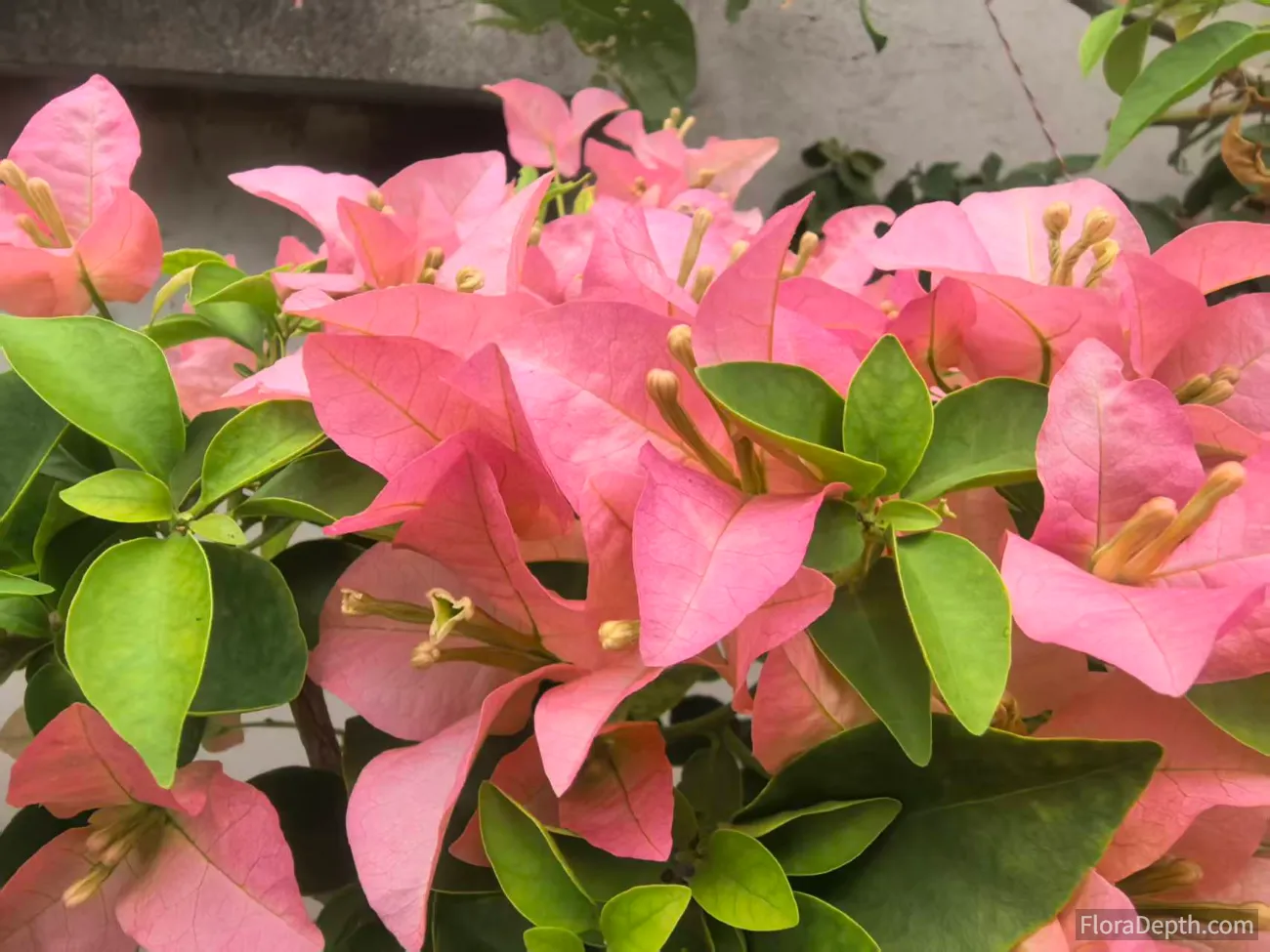
How to Make Bougainvillea Bloom: The Ultimate Guide
Learn how to make bougainvillea bloom with our complete care guide. Discover the exact sun, watering, fertilizer, and pruning secrets for non-stop flowers.

Bougainvillea Growing Too Fast But Not Blooming
Is your bougainvillea growing too fast but not blooming? Learn the 3 root causes of excessive vegetative growth and how to switch your plant to bloom mode with simple steps.

Bougainvillea in Pots: How to Protect It Through Winter
Learn the critical temperature thresholds for overwintering bougainvillea in pots—10°C to bring it indoors, 5°C as the final survival line. This full guide covers pre-indoor preparation, watering and fertilizing by plant condition, indoor light and temperature matching, and low-temperature survival plans for homes without heating.
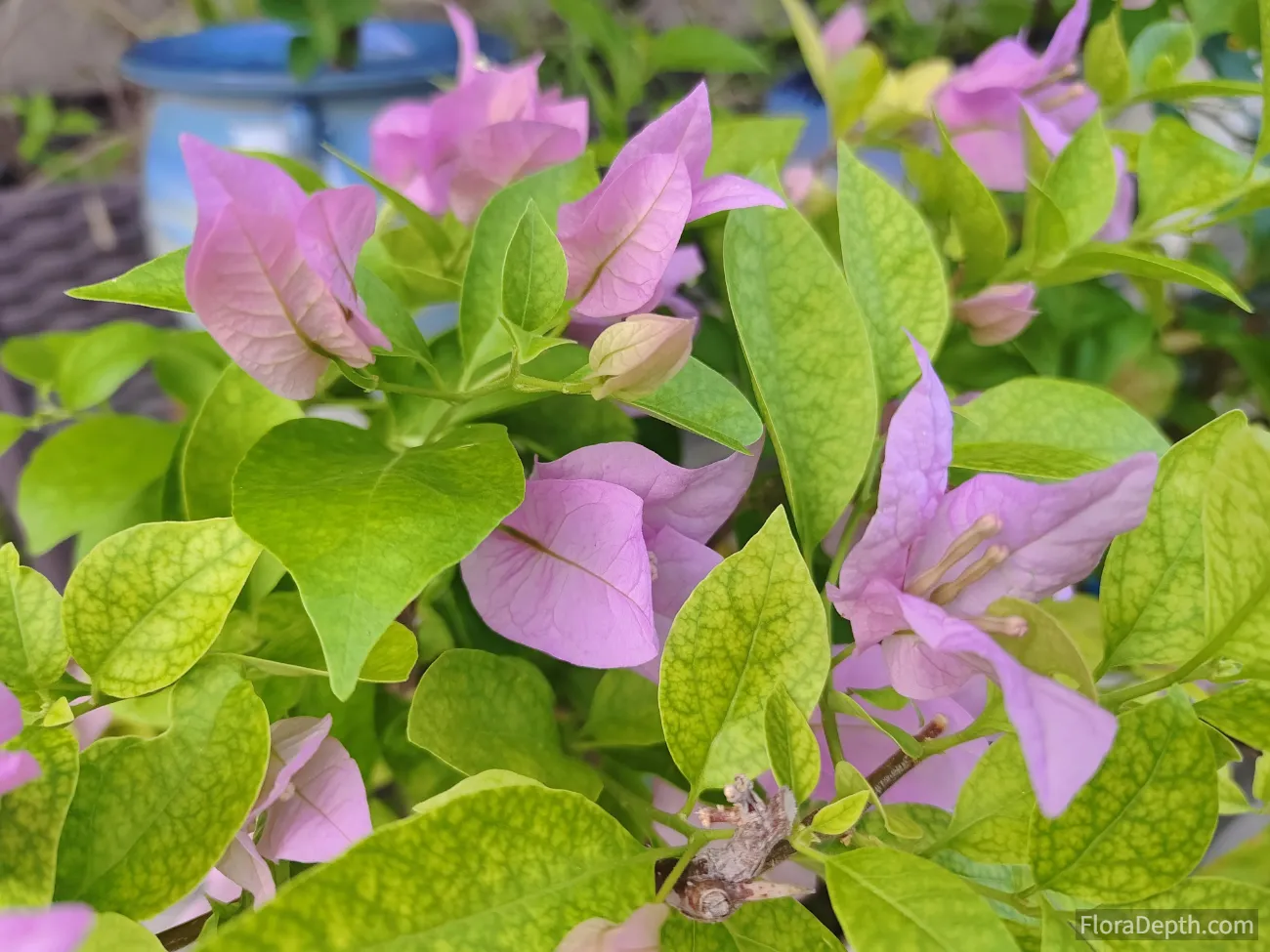
Bougainvillea Losing Flowers? 7 Reasons & How to Save It
Is your bougainvillea losing flowers or dropping buds? Discover 7 common causes—from overwatering to cold stress—and learn how to save your plant today!

bougainvillea sudden freeze damage rescue
Bougainvillea sudden freeze damage rescue: learn how to judge mild, moderate, or severe cold damage, when to prune, and how to help frozen plants recover.