How to Fix Rootbound Bougainvillea in Pots
When you water your bougainvillea, water gushes straight out of the drainage holes at the bottom of the pot, the leaves turn yellow one by one, and the branches don't seem to grow? This is most likely because the roots have filled the pot. How to fix rootbound bougainvillea in pots starts with recognizing the problem: without repotting and root pruning, your bougainvillea will only grow weaker and weaker.

Table of Contents
First, Determine: Is Your Bougainvillea Really Rootbound in Its Pot?
When a bougainvillea's roots fill the pot, it actually tends to bloom more easily, so don't panic just because you see a rootbound bougainvillea in a pot. You only need to take action if you notice the following signals:
- Water runs straight through: Water flows right along the pot wall and out, and within half a day the bougainvillea is already drought-stressed and wilting.
- Roots coming out of the bottom: Dense roots push out through the drainage holes, sometimes tangling into a ball.
- Potting soil caked into hard clumps: You can't press your finger into it, and water can't soak in.
- Stunted growth + yellow leaves: No new buds, old leaves turning yellow and dropping, and no improvement despite normal fertilizer and watering — the roots have nowhere left to grow.
- Pot walls bulging out of shape: Plastic pots are pushed outward by the roots.
If your bougainvillea is still blooming normally and sending out new buds, it's fine for now and doesn't need repotting or root pruning. If it has stopped blooming and shows two or more of the signs above, it's time to fix your rootbound bougainvillea in its pot as soon as possible.
How to Fix Rootbound Bougainvillea in Pots: A Five-Step Method
First, get the timing right: Choose the growing season in late spring to early summer, and wait until temperatures are steadily above 15°C (59°F) before you start. Gardeners in USDA zones 9–11 can do this outdoors; those in other zones should wait until after the local last frost date. Avoid the high heat of summer above 32°C (90°F), cold winter days, and the peak bloom period.
- Withhold water and remove the pot. Stop watering 2–3 days before repotting so the potting soil is slightly dry and the root ball holds together without falling apart. To remove the pot, tap gently around the sides, lay the pot on its side, support the main trunk, and slowly slide the plant out. Never pull it out by force.
- Loosen the roots. Gently massage and untangle the roots circling the outer edge with your hands. If the root pad is dense and hard, use a clean, sterilized knife to make 3–4 vertical cuts about 2–3 cm (about 1 inch) deep on the sides of the root ball to encourage new roots to grow outward. Bougainvillea roots are fine and brittle, so be very gentle.
- Prune the roots. Cut only three things: dead and blackened roots, rotted roots, and overly long roots circling the outer edge. Remove about one-third of them, and leave the main roots and the healthy central portion alone. Dip the cut ends in carbendazim powder to prevent infection.
- Mix soil and repot. Don't reuse the old soil. The new soil must drain well: use a general-purpose potting mix, or garden soil blended with about 50% potting mix. Place a 3 cm (about 1.2 inch) layer of clay pebbles at the bottom of the pot as a drainage layer. The new pot should be only 2–5 cm (about 1–2 inches) larger than the old one — don't use too large a pot, as it makes it harder to control water and encourage blooming. After filling with soil, gently tap the pot down a few times so the soil and roots settle close together, and leave about 2 cm (about 0.8 inch) of space below the rim as a watering line. If the soil is filled too high, water will run everywhere when you water.
- Water and acclimatize. Water thoroughly once to settle the roots. If there are a lot of leaves, first place the plant in a semi-shaded, ventilated spot to acclimatize for 5–7 days. Dropping a few leaves during this period is a normal stress response. If there aren't many leaves, you can give it soft light directly, which is faster than semi-shaded acclimatization.

Treat Different Plant Conditions Differently
-
Still blooming and growing normally: Don't repot yet. Wait until the bloom period ends or until late spring next year.Once your bougainvillea has recovered from root pruning and begun producing healthy new growth, focus on light, watering, fertilizer, and pruning to restore flowering. For a complete step-by-step routine, follow our guide to bougainvillea blooming, which explains how to encourage new buds without overwatering or overfertilizing.
-
Still blooming and growing normally: Don't repot yet. Wait until the bloom period ends or until late spring next year.
-
Stunted growth, yellowing and dropping leaves: Follow the five steps above, and the sooner you deal with this rootbound bougainvillea in its pot, the better.
-
Rotted roots (black roots, foul odor): Cut off all rotted roots, dip the cut ends in carbendazim powder, replace with entirely new soil, and wash the pot and tools thoroughly before reuse.
-
Only the soil is compacted: You can first loosen the soil and apply microbial fertilizer to improve the soil environment, then repot when the temperature is suitable.
Three Big Mistakes Beginners Often Make When Fixing a Rootbound Bougainvillea in a Pot
The first mistake: rushing to move the plant into a bigger pot as soon as the roots fill the pot. The bigger the pot you keep moving it into, the more the branches grow, and then it won't bloom — a bougainvillea blooms most easily when its roots are filling the pot and you control water to encourage flowers.
The second mistake: "conveniently" hard-pruning during repotting. Hard pruning removes a large number of leaves, and without leaves for photosynthesis, the bougainvillea's acclimatization period gets dragged out, and it's also prone to root suffocation. When repotting, Lanyao suggests you only lightly prune about one-third of the weak, spindly branches — that's enough to reduce the burden on the roots.
The third mistake: fertilizing right after repotting to push new growth. During the acclimatization period (about two weeks), new roots haven't grown yet. Fertilizing at this time means the fertilizer can't be absorbed and instead burns the roots. Wait until you see obvious signs of growth, then resume frequent light fertilizing.

Lanyao
A home flower grower with hands-on experience since 2014. FloraDepth currently focuses on practical bougainvillea care and container gardening, with more flower-growing guides to come.
More about Lanyao →Latest Garden Notes
 I have raised many roses before, and when it comes to pruning, it really makes my head grow bigger. For no oth…
 I walk past this clematis every day without really paying it any mind, but you know what? It's getting greener…
 While checking on my bougainvilleas today, I noticed one plant showing clear signs of anthracnose, with its le…
Related Articles
How to Make Bougainvillea Bloom: The Ultimate Guide
Learn how to make bougainvillea bloom with our complete care guide. Discover the exact sun, watering, fertilizer, and pruning secrets for non-stop flowers.

Bougainvillea Growing Too Fast But Not Blooming
Is your bougainvillea growing too fast but not blooming? Learn the 3 root causes of excessive vegetative growth and how to switch your plant to bloom mode with simple steps.
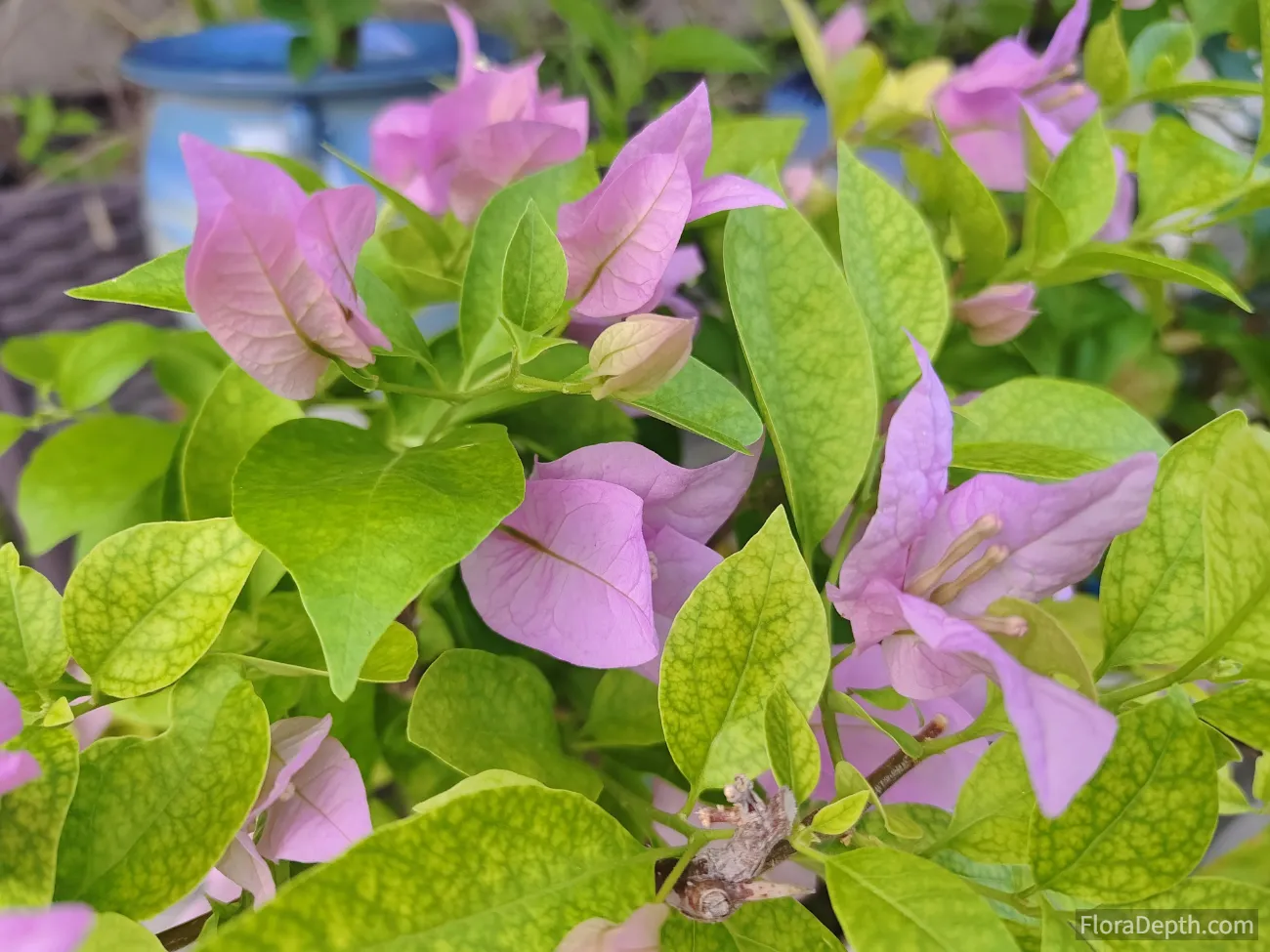
Bougainvillea Losing Flowers? 7 Reasons & How to Save It
Is your bougainvillea losing flowers or dropping buds? Discover 7 common causes—from overwatering to cold stress—and learn how to save your plant today!
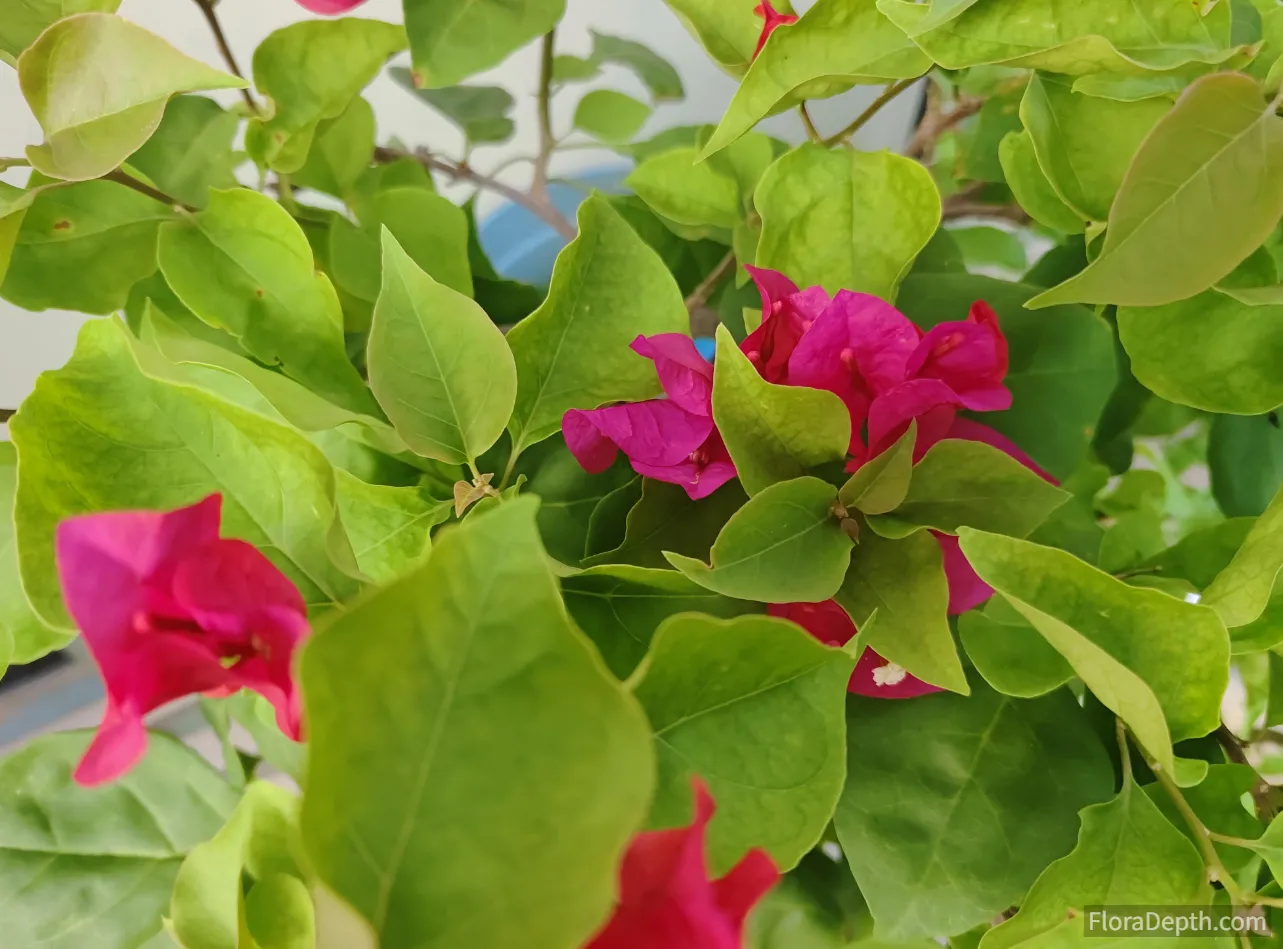
Can Bougainvillea Bloom in Shade?
Wondering can bougainvillea bloom in shade? Discover the minimum light requirements, pruning tips for leggy growth, and a proven blackout method to force blooms in low-light yards.

How Much Sun Does Bougainvillea Need to Bloom?
Discover how much sun a bougainvillea needs to bloom. Learn the ideal 6-12 hour direct sunlight rule, avoid common traps, and force blooms today!