When to Prune Bougainvillea for Maximum Blooms
The biggest fear for bougainvillea owners isn't a lack of color, but making one badly timed cut. Prune too early, and new growth gets damaged by cold; prune too late, and you snip off all the flower buds, waiting in vain for a flush of color. If you are wondering when to prune bougainvillea for maximum blooms, you are not alone.
In this guide, Lanyao will explain the three essential "cuts" you need to know: Hard Pruning, Post-Bloom Pruning, and Pinching. We will also provide a precise pruning schedule based on seasons and USDA zones to help you master bougainvillea pruning for maximum blooms.
First, remember this golden rule for maximizing bougainvillea blooms: Hard prune before spring growth + prune back 1/3 after each bloom + pinch new shoots at 2-4 inches = continuous color all year round.Pruning is only one lever, though — blooms also hinge on light, water stress, and fertilizer balance. If you want the complete system rather than just the cutting schedule, start with our full guide on bougainvillea flowering tips.
Table of Contents
Three Pruning Methods: Know the Difference Before You Start
1. Hard Pruning
- Timing: Just before bud swell, after the last frost and once night lows hold around 59°F (15°C).
- How much to cut: Prune back 1/2 to 2/3 of the growth, leaving 3-4 buds on old wood.
- Purpose: To shape the plant, renew branches, and encourage the first massive bloom.
- Risk: Pruning too late or too aggressively will delay the flowering season.
2. Post-Bloom Pruning
- Timing: After each flush of flowers fades and the colorful papery bracts start to drop.
- How much to cut: Prune flowering branches back by about 1/3; vigorous branches can be cut back by half.
- Purpose: To encourage side shoots to produce new branches, leading to the next flush of flowers.
- Risk: Pruning during the blooming period will remove already-differentiated flower buds.
3. Pinching
- Timing: When new shoots grow to 2-4 inches (5-10 cm) long.
- How much to cut: Pinch off the top 1-2 pairs of tender leaves.
- Purpose: More branches equal more flowering points and a more compact plant shape.
- Risk: Pinching after the branches have hardened off can easily damage flower buds.
The most important rule: Bougainvilleas flower on the current season's growth. Therefore, the essence of pruning is to force it to constantly produce new branches—the more and stronger the new branches, the greater the flower display.
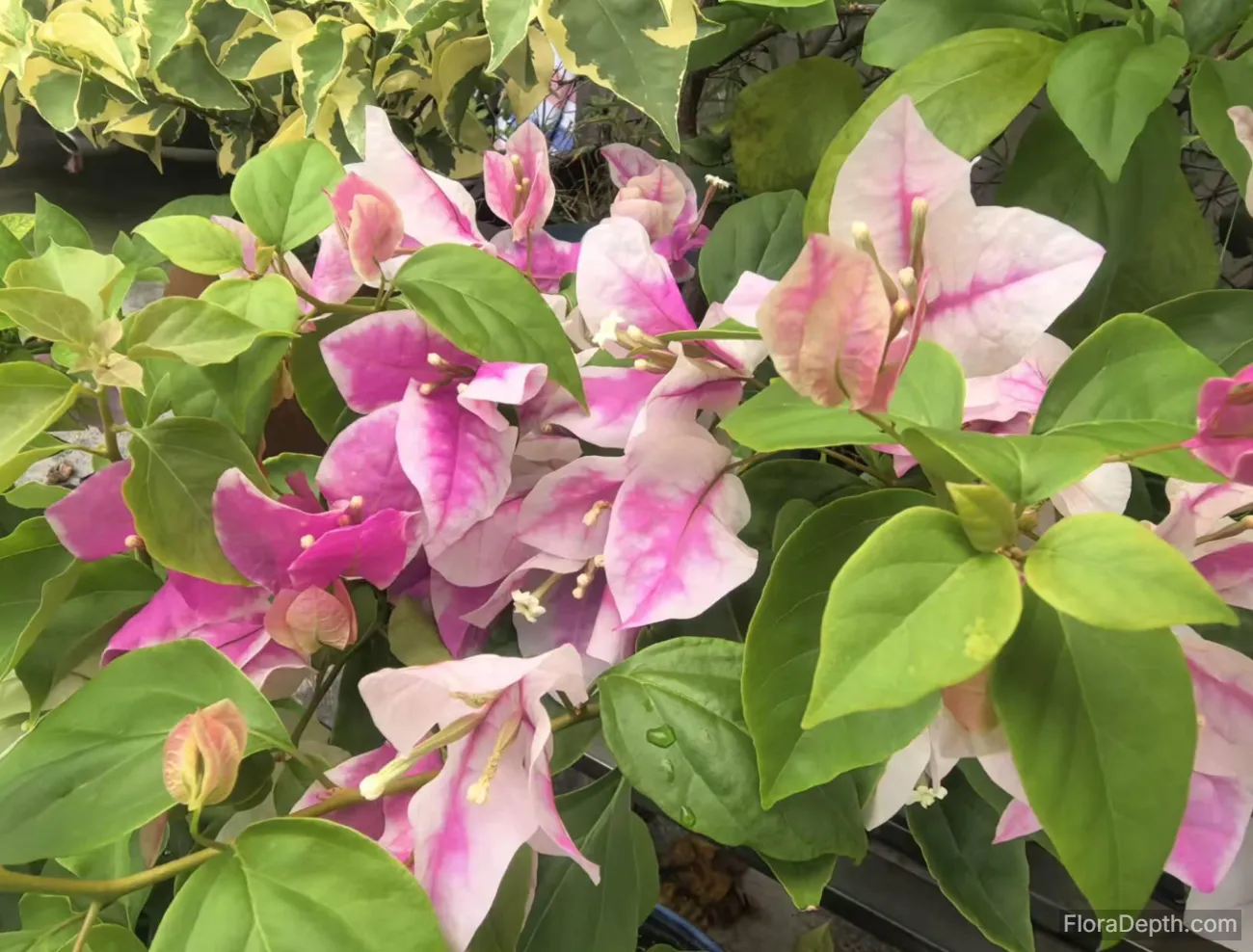
Spring Hard Pruning: The Most Critical Cut of the Year
Understanding when to prune bougainvillea for maximum blooms starts with the spring hard prune. This must be done just before bud swell, after the last frost and once night lows hold around 59°F (15°C), and before new buds have emerged. Converted by USDA zone:
- Zones 10-11 (Warm southern regions): Around late February to March.
- Zone 9: Prune after the last frost has passed (March to early April).
- Zones 8 and colder: For container-grown plants only, wait until after the last frost or after moving them outdoors in April–May to prune.
The 4-Step Hard Pruning Process:
- Clean up: First, remove dead, diseased, crossing, and spindly branches.
- Shape: Prune back 1/2 to 2/3 to achieve the desired shape, leaving 3-4 buds on old wood.
- The Cut: Make a slanted cut about 0.2 inches (0.5 cm) above a bud to prevent water from collecting.
- Aftercare: Control watering after pruning to encourage budding, then resume normal watering and fertilizing once new shoots appear.
In warm regions (Zones 10-11), the first wave of flowers will arrive on new growth about 4-6 weeks after hard pruning, provided conditions are warm and bright.
Light Post-Bloom Pruning: The Key to Back-to-Back Flushes
To achieve continuous bougainvillea blooms, you must maintain the post-bloom cycle. Each time the flowers fade and the colorful papery bracts wilt and drop, prune the flowered branches back by about 1/3, while also removing spent blooms. This cut forces side buds to sprout new branches, which will often show buds at their tips in about 3-4 weeks with enough sun and warmth.
Keep up the cycle consistently: Bloom → fade → prune back → rebloom. Don't be lazy after any flush of flowers if you want maximum blooms.
Routine Pinching: The Secret to Explosive Blooms for Young Plants and Pots
When new shoots grow to 2-4 inches (5-10 cm), simply pinch off the top 1-2 pairs of tender leaves with your fingers. The more frequently you pinch, the more branches and flowering points you'll get; this method is especially suitable for replacing hard pruning on young plants and small-to-medium potted plants. Note: Once branches have hardened off and turned brown, stop pinching—at this point, flower buds may have already differentiated, and cutting them will result in waiting in vain for a flush of flowers.
Annual Bougainvillea Pruning Schedule (by USDA Zone)
If you are still unsure when to prune bougainvillea for maximum blooms, use this seasonal timeline as your guide:
- Spring (February - April): Zones 10-11: Hard prune to shape from late February to March. Zone 9: Wait for frost to end, then prune from March to early April. Zones 8 and colder: For container-grown plants only, hard prune in April-May after moving plants outdoors.
- Summer (May - August): In all zones, follow the cycle of "prune back 1/3 after each bloom + pinch new shoots." The more diligent you are, the denser the flower cycles will be.
- Autumn (After September): Only remove spent flowers; do not perform hard pruning. This is especially important in Zone 9 and colder regions to allow tender new growth to lignify before frost.
- Winter: Zones 10-11 can do light shaping; in Zone 9 and colder regions, bring potted plants indoors for dormancy and do not prune at all.
Pitfall to Avoid: In Zones 9 and colder, stop hard pruning once nights approach 50°F (10°C) or before the first expected frost—often by early to mid-September, not after. The new tender growth won't have time to lignify, and a single frost will cause freeze damage, meaning you pruned for nothing and weakened the plant.
Pruning Intensity Varies by Plant Stage
- Young Plants (1-2 years old): Only pinch, do not hard prune; focus on building the framework first. Water when the soil is dry, fertilize lightly but frequently with a balanced fertilizer.
- Strong, Normal Plants: Follow the standard three-step schedule. Water thoroughly when the soil is dry during the growth and flowering period, and switch to a bloom-booster (high-phosphorus, low-nitrogen feed) before flowering to encourage buds.
- Old Plants: Perform light to moderate pruning each spring to renew growth; don't cut back to the base every year. Thick, lignified wood recovers very slowly, and pruning too hard can easily result in bare, non-sprouting branches. Keep old plants on the drier side and stop fertilizing during dormancy.
Signal Check: Right Pruning vs. Wrong Pruning
- If it fails to sprout long after pruning: Usually due to insufficient temperature or pruning too hard. Solution: Wait for temperatures to stabilize above 59°F (15°C); apply healing agent to large wounds on old wood.
- Only leaves, no flowers after pruning: Usually due to excess nitrogen fertilizer or insufficient light. Solution: Avoid high-N feeds, increase bloom-booster fertilizer, and ensure sufficient direct sunlight.
- A large number of dead branches after an autumn prune: Tender new growth was damaged by frost after hard pruning. Solution: Leave the dead branches for insulation first, then prune in spring after determining what is alive or dead.
- No flowers after pruning during the blooming period: You cut off already-differentiated flower buds. Solution: Switch to pruning after flowers fade; only remove spent blooms during the blooming period.
Bougainvillea Pruning Quick-Reference Checklist
- Wait for minimum nighttime temperatures to stabilize above 59°F (15°C) before hard pruning in spring.
- For hard pruning, clear dead and diseased branches first, then prune back 1/2 to 2/3.
- After each flush of flowers fades, prune flowering branches back by 1/3.
- Pinch new shoots promptly when they reach 2-4 inches (5-10 cm) long.
- Stop hard pruning after September; only remove spent flowers.
- Focus on light pruning for old plants; don't cut back to the base every year.
Common Questions: When to Prune Bougainvillea for Maximum Blooms

Lanyao
A home flower grower with hands-on experience since 2014. FloraDepth currently focuses on practical bougainvillea care and container gardening, with more flower-growing guides to come.
More about Lanyao →Latest Garden Notes
 I have raised many roses before, and when it comes to pruning, it really makes my head grow bigger. For no oth…
 I walk past this clematis every day without really paying it any mind, but you know what? It's getting greener…
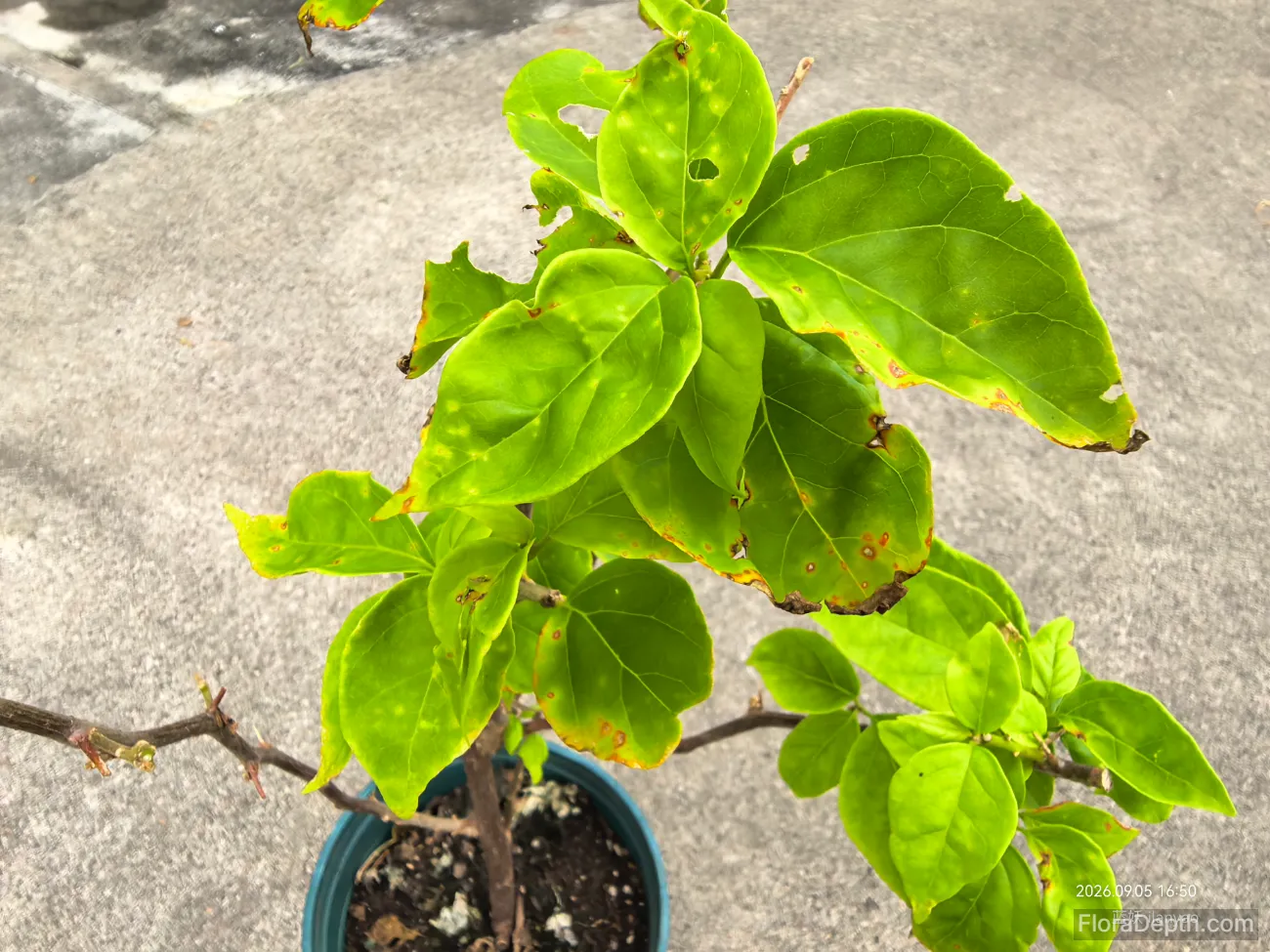 While checking on my bougainvilleas today, I noticed one plant showing clear signs of anthracnose, with its le…
Related Articles
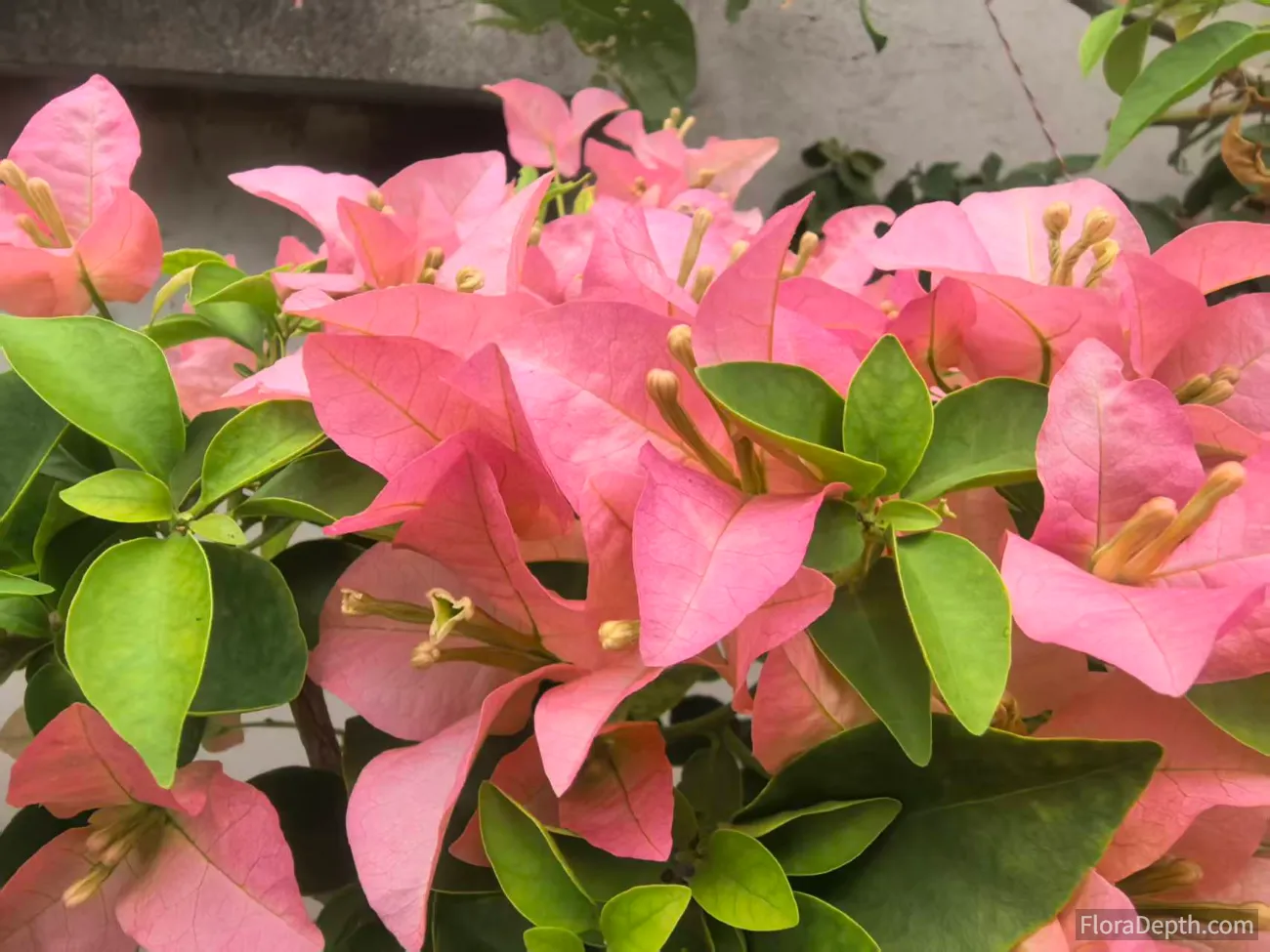
How to Make Bougainvillea Bloom: The Ultimate Guide
Learn how to make bougainvillea bloom with our complete care guide. Discover the exact sun, watering, fertilizer, and pruning secrets for non-stop flowers.
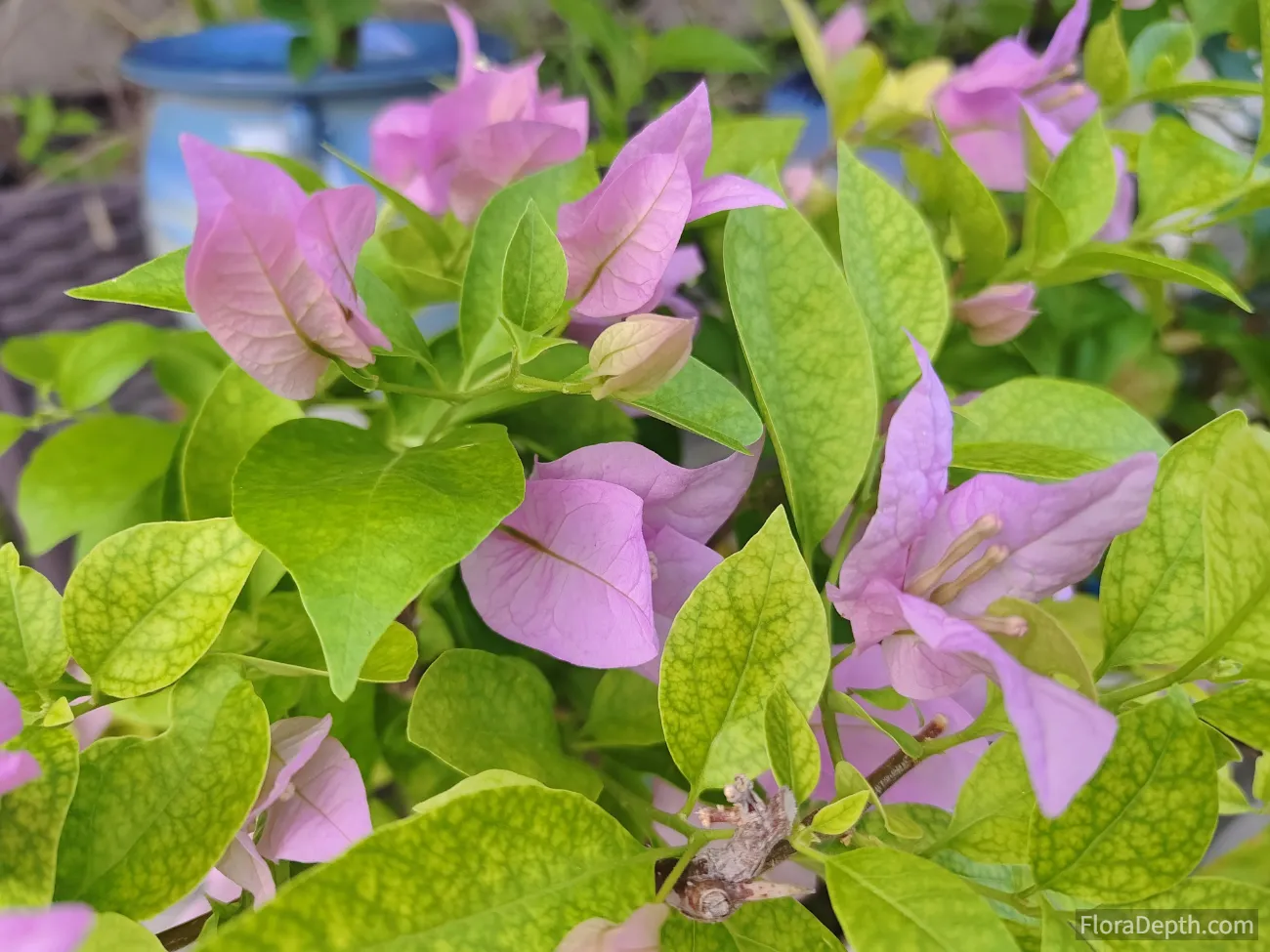
Bougainvillea Losing Flowers? 7 Reasons & How to Save It
Is your bougainvillea losing flowers or dropping buds? Discover 7 common causes—from overwatering to cold stress—and learn how to save your plant today!
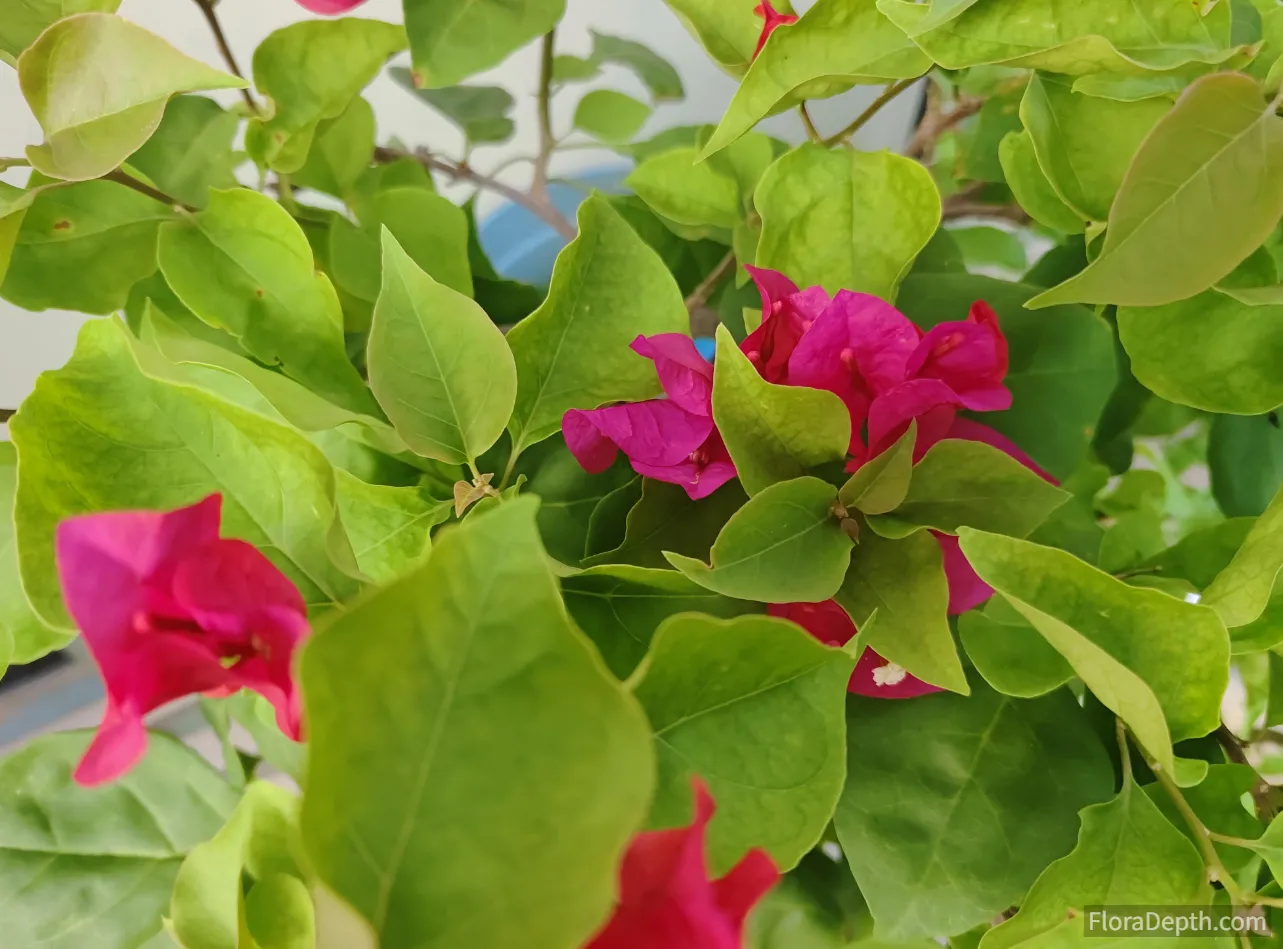
Can Bougainvillea Bloom in Shade?
Wondering can bougainvillea bloom in shade? Discover the minimum light requirements, pruning tips for leggy growth, and a proven blackout method to force blooms in low-light yards.

How Much Sun Does Bougainvillea Need to Bloom?
Discover how much sun a bougainvillea needs to bloom. Learn the ideal 6-12 hour direct sunlight rule, avoid common traps, and force blooms today!
how often to water bougainvillea
Master the ideal watering routine for potted and garden bougainvilleas. Learn how often to water bougainvillea by season, dry-out cycle tips, and easy ways to prevent root rot or encourage vibrant blooms.