How to Make Bougainvillea Bloom: The Ultimate Guide
During my first two years of growing bougainvillea, I made plenty of mistakes. I pampered my plants with abundant water and fertilizer, and while they rewarded me with lush green foliage and thick, vigorous stems, they stubbornly refused to produce a single bloom for an entire year.
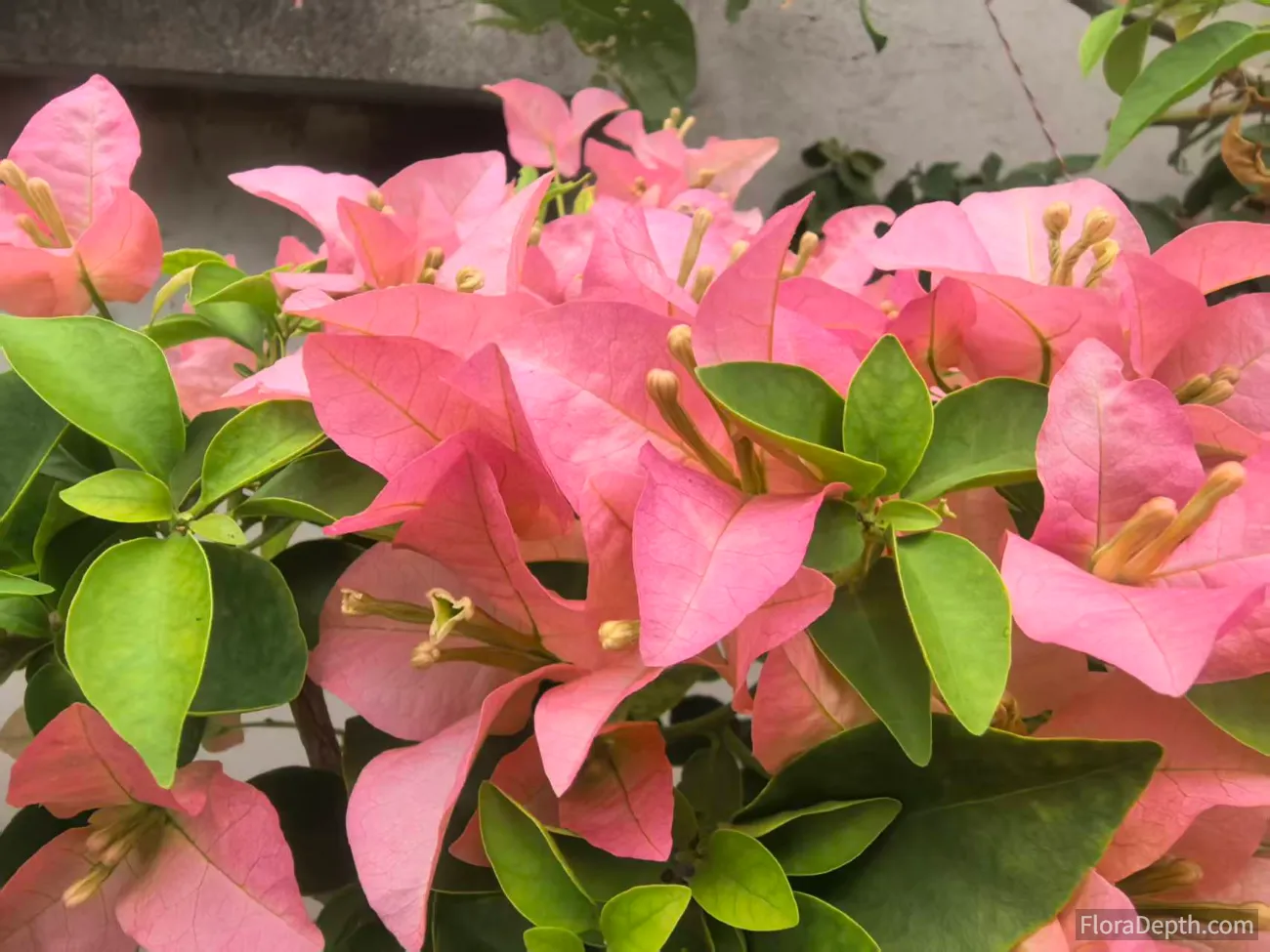
It wasn't until later that I realized bougainvillea is completely different from other flowering plants. It has a natural "stress-response" constitution; it only triggers flowering when the environment becomes somewhat "harsh."
Once you understand this stress-driven nature, figuring out how to make bougainvillea bloom is actually quite easy. The following method is my "reverse-care approach," distilled from years of trial and error. It won't cost you a fortune, and if you follow it, your bougainvillea will bloom profusely.
Before starting this blooming routine, it helps to know how long bougainvillea usually takes to produce visible bracts. Under good growing conditions, the first blooms may appear within 4 to 6 weeks. Read our guide on how long it takes for bougainvillea to bloom to understand the timeline and what to expect at each stage.
If you need an immediate fix, start with Part 1 to diagnose the problem. If you want to systematically learn blooming techniques, read the 5 steps in Part 2 in order. For solutions tailored to your specific growing environment (e.g., balconies or cold climates), check Part 3.
Table of Contents
Why is My Bougainvillea Not Blooming? (Diagnosing the 4 Root Causes)
Before you adjust your watering and fertilizing routines, run a quick self-diagnosis against these four common "bloom killers." If you're struggling with a bougainvillea that refuses to flower despite lush foliage, the answer is almost always found in one of the following four areas.
| Cause | Typical Symptoms | Quick Self-Check |
|---|---|---|
| 1. Insufficient Direct Sunlight | Thin, leggy stems with elongated internodes; pale leaf color | Does the plant receive < 6 hours of direct sunlight daily? |
| 2. Overwatering | Dark green, oversized leaves; continuous new vegetative growth with no flower buds; or yellowing, drooping older leaves | Is the potting mix constantly wet? Are you watering on a fixed calendar schedule? |
| 3. Excessive Nitrogen | Rapid, rampant vegetative growth with glossy, dark green foliage, but absolutely no flower buds | Check the NPK ratio of your fertilizer. Is the N (Nitrogen) significantly higher than P and K? |
| 4. Lack of Pruning & Oversized Pots | Heavily woody old branches; sparse blooming or only a few flowers at the very tips; pot is noticeably too large | Has it been over 2 years since a hard prune? Is the pot diameter significantly larger than the plant's canopy? |
1. Poor Lighting: Less Than 6 Hours of Direct Sun
Bougainvillea needs ample sunlight to store the energy required for flowering. If grown in an environment with less than 4 to 6 hours of direct sunlight, the plant assumes it is being shaded. It will desperately stretch its stems thin and long to "find the light," completely abandoning any effort to produce flower buds.If that sounds like your balcony, don't give up on the plant yet — our guide on whether bougainvillea can bloom in shade walks through the minimum light threshold and what the blackout method can realistically achieve.
2. Watering Too Frequently: Comfort Kills the Blooms
Overwatering is the most common reason bougainvillea fails to bloom. As long as the soil remains consistently wet, the roots send a signal to the entire plant: "Life is too comfortable! Grow more leaves and take up space!" Under these conditions, it will stubbornly produce nothing but green foliage. Worse, if the potting mix stays waterlogged and lacks aeration, the roots will simply rot (Root Rot). If your plant is already losing leaves, developing mushy roots, or showing severe wilting, follow this guide on how to revive a dying bougainvillea before trying to encourage new blooms.
3. Too Much Nitrogen: All Leaves, No Flowers
Many gardeners default to general-purpose compound fertilizers or uncomposted organic fertilizers, which typically have high nitrogen (N) levels. Over-applying nitrogen is like feeding the plant a one-sided diet that promotes leaf growth at the expense of flowers, effectively suffocating flower buds in their early developmental stages.
If your bougainvillea is producing vigorous shoots and lush green leaves but still has no flowers, read our guide to bougainvillea growing too fast but not blooming to identify the causes and restore the plant’s flowering cycle.
4. Reluctance to Prune + Oversized Pots
Keep one crucial fact in mind: bougainvillea only blooms on newly grown branches. To encourage flowering, you must prune appropriately to stimulate new growth — and how you place each cut decides how many of those new branches you actually get. Our guide to how to prune bougainvillea to encourage flowers covers branch selection, cut angles, and what to leave for next season.
Additionally, if the pot is too large, the roots will keep growing deep into the vast amount of soil. Until the roots hit the pot walls (a phenomenon known as becoming "root-bound"), the plant is highly unlikely to pause its vegetative growth and initiate flower bud differentiation.
However, severely crowded roots can eventually cause poor water absorption, yellowing leaves, stunted growth, and fewer flowers. If you suspect your plant has become root-bound, follow this practical guide on how to fix rootbound bougainvillea in Pots before trying to encourage new blooms.
📌 Extended In-Depth Diagnosis If your bougainvillea is lush with foliage but has not produced a single bud, or if you have tried the usual methods and still see no blooms, check out our dedicated diagnostic guide:
How to Make Bougainvillea Bloom – The 5-Step Framework
To achieve months-long, cross-seasonal spectacular blooms, you need to know how to get bougainvillea to bloom consistently. Strictly follow this field-tested framework:
Step 1: Lock in the Sunlight – 6 to 8 Hours of Unobstructed Direct Sun Daily
Move your bougainvillea to the brightest, most unshaded spot in your yard or on your balcony. If you're not sure whether your spot is bright enough, start with how much sun does bougainvillea need to bloom, then come back and work through the five steps below.
- Light Intensity Threshold: You must guarantee at least 6 hours of unobstructed direct sunlight (Full Sun) daily, with 8 hours being optimal.
- Indoor Growing Advice: If growing in containers indoors, the plant must be placed directly against a south-facing windowsill, or supplemented with full-spectrum LED grow lights (with a PPFD of at least 300+ μmol/m²/s). Otherwise, achieving massive blooms is extremely difficult.
Step 2: Implement the "Stress-to-Bloom Technique"
This is the core secret used by professional breeders and master gardeners to induce massive blooming: utilizing moderate drought stress to activate the plant's survival mechanisms.
Exact Procedure:
- Stop watering on a fixed calendar schedule.
- Observe the plant until the surface and lower layers of the potting mix are completely dry, and the top tender leaves show slight wilting or drooping, before watering again.
- When watering, do not soak the soil completely; water only halfway. Ensure the bougainvillea doesn't die of thirst, but remains in a state of mild water deficit.
- Repeat this "dry out – slight wilt – water halfway" cycle for approximately 3 to 4 weeks.
Biological Principle: Brief periods of water deficit convince the bougainvillea that it is facing a survival crisis, forcing it to switch from "vegetative growth" (producing stems and leaves) to "reproductive growth" (producing flower buds to propagate).
Step 3: Adjust Fertilization Strategy – High Phosphorus & Potassium + Micronutrients
While controlling water, you must fundamentally change your fertilization structure.
- Fertilizer Selection Criteria: During the blooming induction phase, completely stop using high-nitrogen fertilizers. Switch to a water-soluble fertilizer high in phosphorus and potassium (e.g., an NPK ratio of 10-20-20, 6-18-18, or Monopotassium Phosphate KH₂PO₄).
- Application Frequency: Apply diluted liquid fertilizer with water every 5 to 7 days. Foliar spraying can also be done simultaneously for better results.
- Micronutrient Supplementation: Extra Iron (Fe) and Magnesium (Mg) are critical for enhancing the vibrancy of the bracts. Iron deficiency leads to yellowing new leaves, which reduces photosynthetic efficiency.
If your bougainvillea is blooming but the bracts look pale, white, or washed out, see our guide on why bougainvillea flowers turn white to distinguish nutrient deficiency from sun scorch and natural aging.
| Growth Stage | Recommended NPK Ratio | Core Function |
|---|---|---|
| Vegetative Growth (Leafing) | High N, Medium P & K (20-10-10) | Rapid stem and leaf development |
| Bloom Induction (Paired with Water Stress) | High P & K, Low N (10-20-20) | Induce flower bud differentiation |
| Peak Bloom (Bract Coloring) | Pure P & K + Micronutrients | Extend bloom duration and deepen color |
Step 4: Prune Aggressively – Stimulate New Flowering Wood
Since flower buds only form on newly sprouted branches, pruning is a dual-purpose tool for controlling plant shape and increasing bloom volume. However, pruning too early, too lightly, or at the wrong point can reduce flowering. Timing is the part most growers get wrong, so settle When to Prune Bougainvillea for Maximum Blooms by USDA zone and season before you pick up the shears.
-
Hard Pruning Post-Bloom: After a bloom cycle has completely finished, cut back all previously flowering branches by approximately 1/3 to 1/2.
-
Routine Branch Pinching: When branches grow longer than 8 inches (20 cm), cut them back to the woody or semi-woody portion to force lateral buds to sprout. After pruning, 3 to 4 lateral branches will be stimulated, multiplying the bloom volume accordingly.Pruning is not the only way to stimulate more flowering points. You can also guide long, flexible branches horizontally across a trellis to reduce apical dominance and encourage lateral buds along the entire branch. For a detailed step-by-step method, see our guide on how to train bougainvillea on a trellis for more blooms.
-
Note: Do not top the plant, as this typically causes only a single new branch to grow directly from the topped location.
-
Clear Out Weak Growth: Prune away interior branches, diseased/weak wood, and basal suckers at any time to improve airflow and light penetration within the canopy.
Step 5: Potting Mix & Container Selection – Keep the Roots "Slightly Tight"
Bougainvillea has a unique preference for its root environment: slightly restricted roots (being root-bound) actually stimulate heavier blooming.
- Container Selection: Avoid oversized containers. Highly breathable terracotta pots or gallon pots with ample drainage holes are the best choices.
- Soil Mix: The medium must have exceptional drainage and aeration, and be slightly acidic (pH 5.5–6.5).
- Recommended Recipe: 50% high-quality peat moss/coarse fiber + 30% perlite/coarse sand/volcanic rock + 20% compost or pine bark fines.
Scenario-Based Care & Regional Management Strategies
Depending on your growing environment and local climate, applying these bougainvillea flowering tips requires targeted adjustments
1. Balconies & Container Gardening (Potted Bougainvillea)
Container-grown bougainvillea cannot send roots infinitely downward, making them highly sensitive to fluctuations in water and nutrients.
If you are growing bougainvillea in a container and want to maintain repeated blooms, see our practical guide on how to keep bougainvillea blooming in pots.
- You must ensure the pot is placed in the most exposed, unshaded outermost position.
- During the peak heat of midsummer, moisture in containers evaporates rapidly. Monitor wilting closely to prevent the roots from being scorched by high temperatures and drought.
2. Overwintering & Bloom Preservation in Cold Climates (Winter Care)
Bougainvillea is a tropical plant, generally hardy in USDA Hardiness Zones 9–11.
- In Zone 8 and below (where frost is a threat), you must move the plant to a bright indoor location when late-autumn temperatures drop below 50°F (10°C).
- During indoor overwintering, the plant may enter semi-dormancy and drop leaves. At this time, you must strictly control water and completely stop fertilizing until it resumes growth in spring.
3. Selecting Prolific Blooming Varieties
Genetics largely determine blooming frequency and volume. If you are a beginner, choosing a prolific bloomer will give you the best results with the least effort:
| Variety | Flower Color | Characteristics |
|---|---|---|
| 'Barbara Karst' | Classic Crimson / Bright Pink | Extremely prolific bloomer; highly adaptable |
| 'Royal Purple' | Rich Royal Purple | Concentrated, exceptionally long bloom period |
| 'Juanita Hatten' | Vibrant Watermelon Red | Dense bract clusters |
| 'Singapore Pink' | Soft Light Pink | Ideal for landscaping and container growing |
12-Month Annual Care & Blooming Calendar
To help you establish a year-round care rhythm, here is a standard timeline for temperate and subtropical regions in the Northern Hemisphere:
| Month / Season | Core Care Theme | Key Action Steps |
|---|---|---|
| Mar–Apr (Early Spring) | Awakening & Hard Pruning | Move outdoors to restore light exposure; perform light pruning to remove dead wood; water appropriately to awaken the plant and stimulate new buds and blooms. |
| Apr–May (Late Spring to Early Summer) | Bloom Induction & Water Stress | Switch to high P & K fertilizer (once every two weeks); initiate the "dry out completely, then water" stress-to-bloom technique; welcome the first massive bloom cycle. |
| Jun–Aug (Midsummer) | Peak Bloom & Post-Bloom Pruning | Hard prune branches immediately after the first round of flowers fades; supplement micronutrients; continue providing intense light and balanced water/fertilizer to induce more lateral buds and rapidly expand the canopy. |
| Sep–Oct (Autumn) | Final Bloom Push & Preparation | Enjoy the most vibrantly colored autumn bloom cycle; as day-night temperature fluctuations increase, gradually reduce fertilization frequency. |
| Nov–Feb (Winter) | Insulation & Dormancy | Move indoors before temperatures drop to prevent cold damage; stop fertilizing and significantly extend watering intervals; provide ample indirect light or supplement with grow lights. |
Common Pests, Diseases, & Bloom Obstacles
Although bougainvillea is highly resilient, certain pests and diseases can directly destroy flower buds or deplete nutrients, interrupting the blooming process:
| Pest / Disease | Typical Symptoms | Treatment |
|---|---|---|
| Mealybugs & Scale | Cluster at the base of new shoots and flower buds to suck sap, causing buds to wither and drop | Wipe away with a cotton swab dipped in Neem Oil or 75% Isopropyl Alcohol |
| Bougainvillea Caterpillar | Chew on tender new leaves and young flower buds at night; leaves show half-moon shaped notches on the edges | Spray with Bacillus thuringiensis (Bt) in the evening |
| Root Rot | Rapid yellowing and drooping of all leaves; massive bud drop; soil emits a musty/moldy odor | Immediately remove from pot, cut away blackened/rotted roots, and repot in fresh medium |
Frequently Asked Questions (FAQ) About Bougainvillea Blooming
Bougainvillea Blooming Minimalist Checklist
To instantly check if your bougainvillea is in optimal blooming condition, keep these 5 minimalist rules in mind:
| Key Takeaway | |
|---|---|
| ☀️ | Sunlight: 6–8 hours of direct sun; no sun, no blooms |
| 💧 | Watering: Don't water unless dry; dry out completely to stress the plant into budding |
| 🧪 | Fertilizing: Restrict Nitrogen, boost Phosphorus & Potassium, and supplement Iron & Magnesium regularly |
| ✂️ | Pruning: Prune promptly after blooming; more new branches equal more flowers |
| 🪴 | Pot & Soil: Drainage is priority #1; slightly root-bound encourages better blooming |
By systematically applying this bougainvillea care for maximum flowers, you will finally know how to make bougainvillea bloom and be rewarded with spectacular flowers year-round.

Lanyao
A home flower grower with hands-on experience since 2014. FloraDepth currently focuses on practical bougainvillea care and container gardening, with more flower-growing guides to come.
More about Lanyao →Latest Garden Notes
) The temperature suddenly shot up these past couple of days, and all the osmanthus trees by my front door have…
The temperature suddenly shot up these past couple of days, and all the osmanthus trees by my front door have… Ever since I started growing bougainvillea, I've found it really low-maintenance. I barely have to do anything…
 I used to be really into growing roses. I’ve collected quite a few varieties over time, and while they’re gorg…
Related Articles

best fertilizer for bougainvillea before winter
Wondering what the best fertilizer for bougainvillea before winter is? Learn the right phosphorus and potassium rates, cold-protection boosters, and 4 pitfalls to avoid.

Bougainvillea Growing Too Fast But Not Blooming
Is your bougainvillea growing too fast but not blooming? Learn the 3 root causes of excessive vegetative growth and how to switch your plant to bloom mode with simple steps.

Bougainvillea in Pots: How to Protect It Through Winter
Learn the critical temperature thresholds for overwintering bougainvillea in pots—10°C to bring it indoors, 5°C as the final survival line. This full guide covers pre-indoor preparation, watering and fertilizing by plant condition, indoor light and temperature matching, and low-temperature survival plans for homes without heating.
Bougainvillea Losing Flowers? 7 Reasons & How to Save It
Is your bougainvillea losing flowers or dropping buds? Discover 7 common causes—from overwatering to cold stress—and learn how to save your plant today!

bougainvillea sudden freeze damage rescue
Bougainvillea sudden freeze damage rescue: learn how to judge mild, moderate, or severe cold damage, when to prune, and how to help frozen plants recover.