Bougainvillea in Pots: How to Protect It Through Winter
The golden critical thresholds for overwintering bougainvillea in pots are 10°C (time to consider bringing it indoors) and 5°C (the final survival line). Below 5°C, the branches and roots are highly prone to irreversible freeze damage, and when a sudden sharp drop in temperature hits, you need to move it indoors even earlier.
But bringing the plant inside is only the first step—why do so many people's potted bougainvilleas not die from the cold, but instead die in a heated room? Which step, if skipped before bringing it indoors, will bring a nest of pests home with you? If it drops a large number of leaves, is there still any hope? From the "survival preparation" before bringing it in to the "water and fertilizer care" after bringing it in, the following full-process practical guide will help your bougainvillea in a pot make it steadily through the cold winter and burst into bloom next year!

Table of Contents
The Minimum Temperature for Bougainvillea Growth
Bougainvillea is native to the tropics and fears cold but not heat. Overwintering bougainvillea in pots is more disadvantageous than growing one in the ground—the roots have no earth to insulate them, and the pot has only a thin layer of soil, so cold air blows right through it. So for potted bougainvillea to survive the winter, protecting the roots is more important than protecting the branches.
Divide the temperature into several ranges, and find the one that applies to you:
- Above 15°C: With sufficient light, it can continue to bloom.
- 8–15°C: Growth slows, and it may lose some leaves, which is normal.
- 5–10°C: It begins to drop leaves heavily and enters semi-dormancy; this is the critical zone for bringing it indoors.
- Below 5°C: The life-or-death line. Below 5°C, the roots and branches may suffer freeze damage, and below zero the entire plant will freeze to death.
When Should You Move Bougainvillea in Pots Indoors for the Winter?
When the forecast shows the low temperature staying below 10°C, it is advisable to move the plant indoors, and below 5°C you must move it in. If a sudden sharp drop in temperature occurs (for example, 15°C yesterday and suddenly 5°C today), do not hesitate—move it indoors immediately. Bougainvillea is most vulnerable to freeze damage during a sudden sharp drop in temperature.
One to two weeks before bringing it indoors, do these things:
- Stop nitrogen fertilizer: Nitrogen fertilizer promotes tender new growth, and tender growth fears both freezing and the weak light indoors. After the beginning of autumn, fertilization should focus on phosphorus and potassium fertilizers, and nitrogen fertilizer should be stopped completely 2 weeks before bringing the plant indoors.
- Apply phosphorus and potassium fertilizer 1–2 times: This can promote branch maturity and stronger roots, improving cold resistance.
- Gradually reduce watering: Let the potting soil become somewhat dry before bringing it indoors. If you carry it in while it is soaking wet, the combination of low temperature and muggy dampness makes the roots very prone to rot.
- Do not prune, or prune only lightly: If light and temperature are sufficient, you can skip pruning entirely and let it keep blooming after coming indoors. If space is truly insufficient, lightly prune off about one-third, but be sure not to prune heavily; if you cut too severely, there will be no flowers to enjoy in spring.
- Check for pests and diseases: It is best to do one pest prevention treatment a week before bringing it indoors, so you do not bring insects into the house.
- Clear away fallen leaves: Fallen leaves on the soil surface should be cleaned up so they do not rot in the soil and invite disease.
Indoor Winter Light and Temperature Must Be Matched
When growing bougainvillea in pots indoors, light and temperature directly determine whether it continues to bloom through the winter or drops its leaves and goes dormant:
- Above 15°C + 6 hours of direct sunlight per day or 6–8 hours of supplemental light with a grow light: It will continue to grow and bloom, and you can still enjoy flowers even in a heated room.
- Above 15°C + little light: This is when it is most prone to leggy growth, with thin, weak, yellowing branches. Either use a grow light for supplemental lighting, or simply move it to a cool place and let it go dormant.
- 8–15°C + sufficient light: Growth slows and nearly stops, and it will resume blooming when temperatures rise in spring.
Watering and Fertilizing According to the Plant's Condition
How you water and fertilize potted bougainvillea in winter depends entirely on what state it is in:
- One that has dropped its leaves and gone dormant: Keep it on the dry side. When the potting soil is especially dry, water in a circle around the edge of the pot, and water at midday when it is warm. Stop fertilizer completely and give only plain water.
- One that is growing and blooming: Water thoroughly when the soil is dry, and after watering, pour out any water in the saucer—there must be no standing water. Fertilize mainly with phosphorus and potassium fertilizers, applying light doses frequently, so the bougainvillea can bloom batch after batch.

What If You Have No Greenhouse? A Survival Plan for Cold Regions
If your home has no heating and no sunroom, there is no need to panic either—with the right wintering spot, bougainvillea in pots is more cold-resistant than you might imagine.
- A south-facing balcony is the first choice: It gets sun during the day, and drawing the curtains at night blocks the cold; as long as you can keep it above 0°C, it is safe.
- An unheated garage or a basement with windows: A cool environment of 4–10°C is just right for dormancy, and is better than a heated room with fluctuating temperatures. It is best to supplement with a grow light for 6 hours, which can greatly reduce the problem of dried branches on bougainvillea.
- Bagging during extreme cold waves: Put a transparent bag over the branches and leave ventilation holes, or cover with cotton clothing, non-woven fabric, etc. for insulation; open it during the day for ventilation. Use this only for survival purposes.
- A temporary warm shelter: Set up a temporary plastic greenhouse outdoors, let it catch the sun during the day, and add insulating cotton covering at night.
Normal or a Problem? Don't Panic the Moment You See Leaf Drop
When bougainvillea in pots drops leaves in winter, nine times out of ten it is normal—it has gone dormant. What you really need to watch out for are these:
- Wrinkled, blackened stems: A sign of freeze damage or root rot. Pinch the base with your hand; if it is soft, it is basically in danger.
- Leaves that not only drop but also have water-soaked spots: Freeze damage. Do not prune or fuss over it; move it to a relatively warm place and let it recover.
- A plant kept in a heated room that still drops large numbers of green leaves: The environment is too stuffy or you are watering too frequently. First check the moisture of the potting soil. Increase ventilation and reduce the amount of watering.

Lanyao
A home flower grower with hands-on experience since 2014. FloraDepth currently focuses on practical bougainvillea care and container gardening, with more flower-growing guides to come.
More about Lanyao →Latest Garden Notes
 I have raised many roses before, and when it comes to pruning, it really makes my head grow bigger. For no oth…
 I walk past this clematis every day without really paying it any mind, but you know what? It's getting greener…
 While checking on my bougainvilleas today, I noticed one plant showing clear signs of anthracnose, with its le…
Related Articles
How to Make Bougainvillea Bloom: The Ultimate Guide
Learn how to make bougainvillea bloom with our complete care guide. Discover the exact sun, watering, fertilizer, and pruning secrets for non-stop flowers.

Bougainvillea Growing Too Fast But Not Blooming
Is your bougainvillea growing too fast but not blooming? Learn the 3 root causes of excessive vegetative growth and how to switch your plant to bloom mode with simple steps.
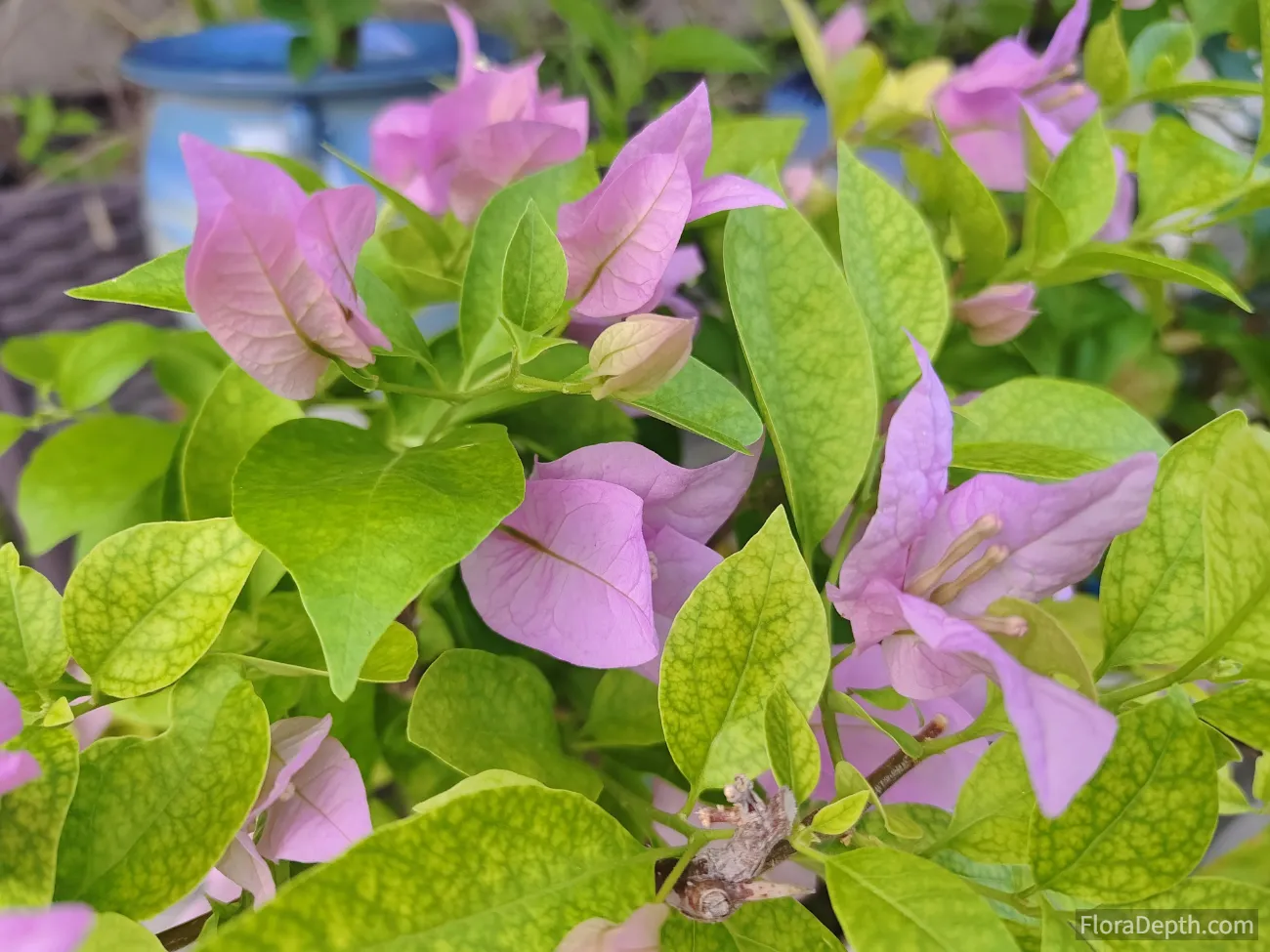
Bougainvillea Losing Flowers? 7 Reasons & How to Save It
Is your bougainvillea losing flowers or dropping buds? Discover 7 common causes—from overwatering to cold stress—and learn how to save your plant today!
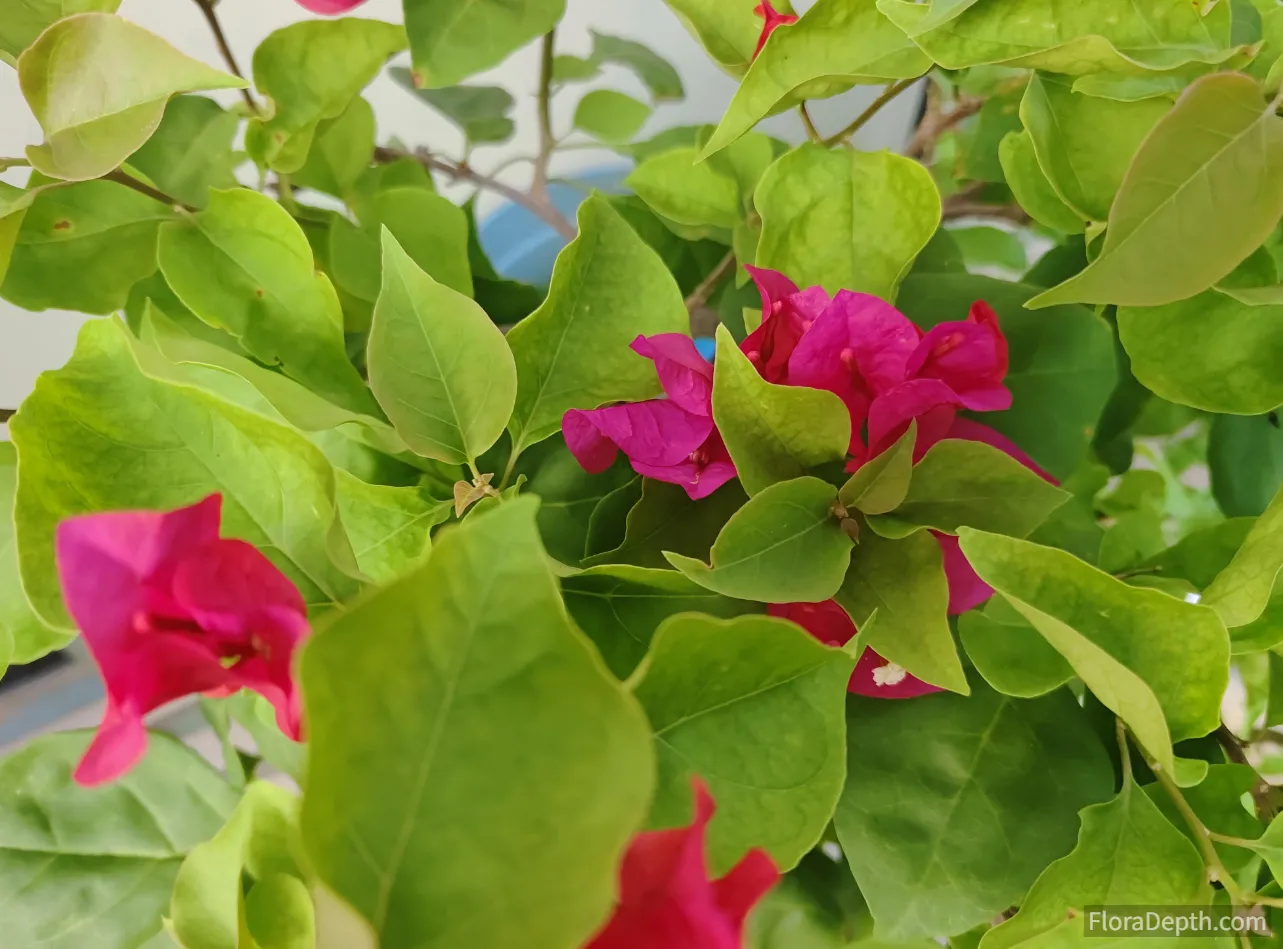
Can Bougainvillea Bloom in Shade?
Wondering can bougainvillea bloom in shade? Discover the minimum light requirements, pruning tips for leggy growth, and a proven blackout method to force blooms in low-light yards.

How Long Does It Take for Bougainvillea to Bloom?
Wondering how long it takes for bougainvillea to bloom? Usually 4 to 6 weeks. Learn the exact bougainvillea bloom time timeline, the three stages of forcing blooms, and the mistakes that delay flowering.