how to protect trained bougainvillea trellis in winter
As soon as the temperature drops, that shaped bougainvillea in the garden becomes a worry. Its vines have wrapped themselves all over the trellis—taking it down to bring it indoors isn't realistic, but leaving it outside risks frost damage. In this article, Lanyao tells you how to protect a trained bougainvillea trellis in winter. Follow these steps, and it will still burst into bloom next spring.
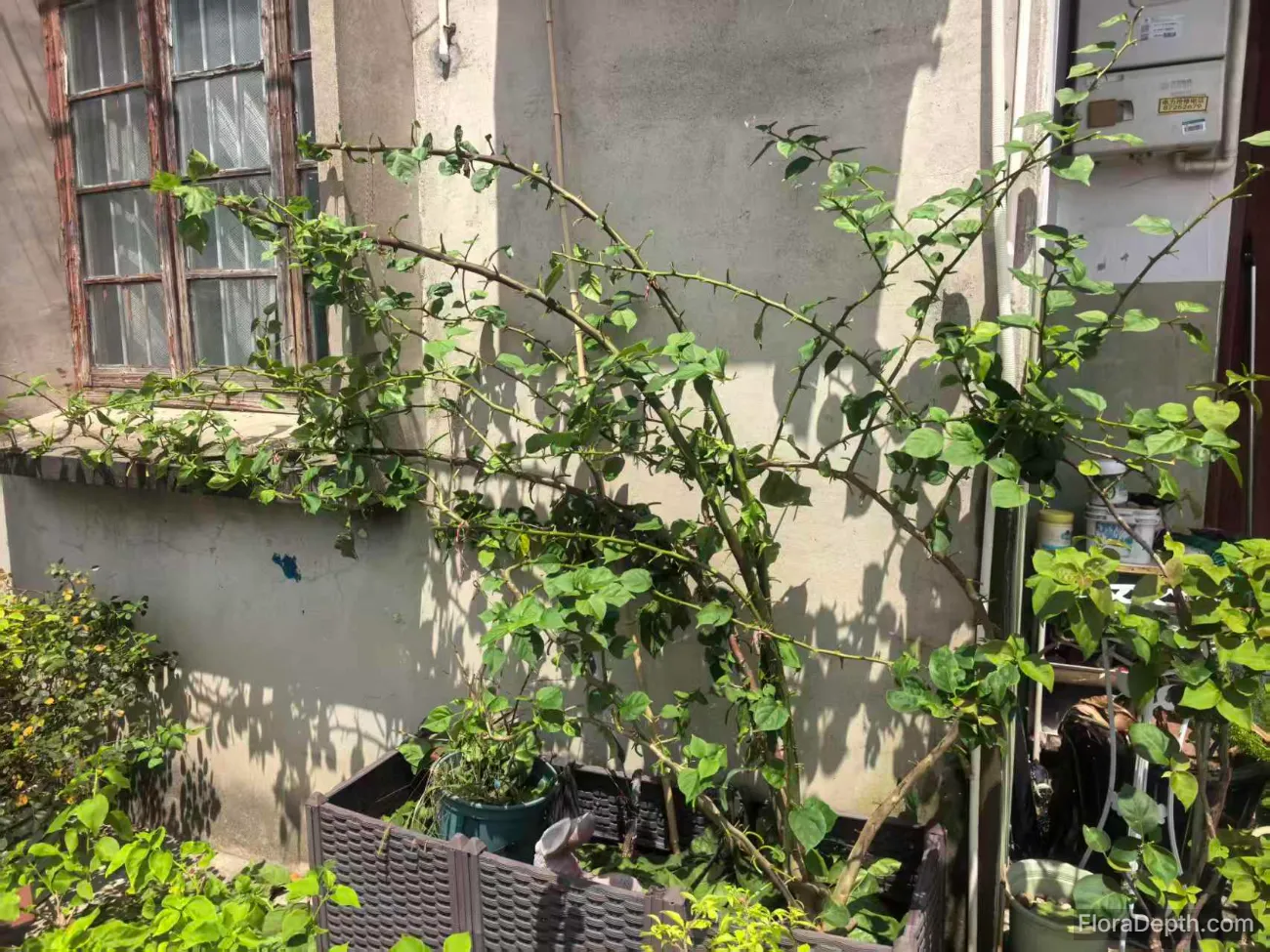
Table of Contents
First, remember two temperature thresholds
Bougainvillea is native to tropical South America, and its fear of cold is in its bones. Once winter sets in, be sure to pay close attention to weather changes. In terms of care, remember these two temperature points:
- 5°C (41°F) is the chilling-injury line: When the temperature drops below 5°C (41°F), leaves and flowers begin to drop, and the plant stops growing. At this point, stop watering and fertilizing and let it enter its overwintering state.
- 0°C (32°F) is the frostbite line: When the temperature stays below 0°C (32°F) for a long time, both branches and roots will suffer frost damage, and in-ground plants run a very high risk of dying entirely.
| Temperature range | Plant condition | What to do |
|---|---|---|
| Above 15°C (59°F) | Still growing and blooming | Normal care, finish with phosphorus and potassium fertilizer |
| 10–15°C (50–59°F) | Growth slowing | Reduce watering, prepare to move indoors |
| 5–10°C (41–50°F) | Entering dormancy | Stop watering and fertilizing, overwinter indoors |
| 0–5°C (32–41°F) | Chilling injury, flowers and leaves drop | Protection and covering are essential |
| Below 0°C (32°F) | Frostbite or even death | In-ground plants must be kept warm |
In-ground trained bougainvillea on a trellis: focus on protecting the roots, don't wrap them too tightly
Only in regions without winter frost can bougainvillea be grown in the ground; in cold regions, it must be brought indoors to overwinter. For plants trained onto a trellis or growing by a courtyard wall, the vines can't be taken down, so you can only protect them where they are. This is one of the most common trained bougainvillea trellis winter protection situations. Lanyao recommends three steps for cold protection and warmth:
- Mound soil around the roots: Before frost, mound a layer of soil around the root crown or cover it with pine bark or straw, about a dozen centimeters (roughly 4–5 inches) thick—like giving the roots a blanket.
- Wrap the main vines: Use non-woven fabric, old cotton cloth, or frost-protection fabric to wrap the trunk and main branches, up to the point where they fork. Thin and tender branches may die from cold and can be cut off in spring—they'll sprout again. The key is to protect the roots and main trunk.
- Cover the whole plant: When a cold wave hits, drape a layer of plastic film or frost-protection fabric over the outside of the trellis. Make sure to leave an opening at the bottom for airflow, and uncover it promptly once the sun comes out and the temperature rises. Never wrap it into a tightly sealed bundle like a zongzi—once the temperature inside rises during the day, the damage from suffocation is even harder to fix than frostbite.
Potted bougainvillea on a trellis: move them indoors early
For potted trellis-climbing bougainvillea that can be moved, the easiest winter care for a trained bougainvillea trellis is to bring them indoors. You can move them when the nighttime low reaches 8–10°C (46–50°F); below 5°C (41°F), you must move them. One week before bringing them in, remove diseased and weak leaves and dead branches, and let the soil dry out a bit before moving—wet soil moved into a warm room easily causes root rot. If there are flower buds on the vines, and you can keep the indoor environment warm with plenty of light, you can leave the buds on. If indoor light is very poor, Lanyao suggests you not be reluctant—cut the buds off. Staying alive matters more than keeping flowers.
Overwintering indoors: let the plant sleep well
The core of care after bringing plants indoors comes down to four words: low-temperature dormancy.
- Location: Put it on a south-facing windowsill or in an enclosed balcony—the more light, the better. Don't put it near air conditioner vents or radiators; hot air will dehydrate the leaves.
- Temperature: Keeping the indoor temperature at 5–10°C (41–50°F) is ideal. If it's too warm, the plant won't go dormant and will keep consuming nutrients, which actually means fewer flowers next year.
- Watering: Water only after the potting soil has dried out completely, and water thoroughly when you do. Better dry than wet—watering once or twice a month is very common.
- Fertilizing: Stop fertilizing completely after dormancy. If you want to build up nutrients for winter, you should apply plenty of phosphorus and potassium fertilizer in September to October to help the branches lignify—not fertilize in winter.
Manage plants separately according to their condition
Even for the same winter, plants in different conditions need different methods:
- Dormant plants: Bare branches with all leaves dropped are normal dormancy—don't think they're dead. Keep the potting soil on the dry side and place them in a cool spot. They'll naturally sprout when spring warms up.
- Plants with flowers: In warm regions where plants are still blooming in early winter, you can continue normal fertilizer and water management. Water by the "dry-wet" cycle, focus on phosphorus and potassium fertilizer, and stop using nitrogen fertilizer.
- Small plants with tender branches: If new branches are still growing in autumn, pinch off the tender tips that haven't lignified before winter to reduce consumption. Small plants have weak cold resistance—potted ones must be brought indoors, and in-ground ones should be given an extra layer of protection.
Don't rush when it warms up, and don't prune frost damage right away
When temperatures rise in spring, don't rush to remove all the protection from trellis plants. Check the weather forecast first, and wait until the nighttime low is steadily above 10°C (50°F) before gradually removing the covers—uncover during the day and cover at night first, transitioning over about a week.
If the plant suffered frost damage over winter, the rule is simple: cut back to wherever the frost damage reaches. But don't prune right when the frost damage happens—wait until new buds sprout in spring and you can clearly see the line between dead and living tissue, then prune along the live buds and apply a little carbendazim to the wounds. If the roots aren't dead, they'll sprout again in spring. Many in-ground plants freeze down to the ground, yet the roots can still send up new growth.

Lanyao
A home flower grower with hands-on experience since 2014. FloraDepth currently focuses on practical bougainvillea care and container gardening, with more flower-growing guides to come.
More about Lanyao →Latest Garden Notes
) The temperature suddenly shot up these past couple of days, and all the osmanthus trees by my front door have…
The temperature suddenly shot up these past couple of days, and all the osmanthus trees by my front door have… Ever since I started growing bougainvillea, I've found it really low-maintenance. I barely have to do anything…
 I used to be really into growing roses. I’ve collected quite a few varieties over time, and while they’re gorg…
Related Articles
How to Make Bougainvillea Bloom: The Ultimate Guide
Learn how to make bougainvillea bloom with our complete care guide. Discover the exact sun, watering, fertilizer, and pruning secrets for non-stop flowers.

best fertilizer for bougainvillea before winter
Wondering what the best fertilizer for bougainvillea before winter is? Learn the right phosphorus and potassium rates, cold-protection boosters, and 4 pitfalls to avoid.

Bougainvillea Growing Too Fast But Not Blooming
Is your bougainvillea growing too fast but not blooming? Learn the 3 root causes of excessive vegetative growth and how to switch your plant to bloom mode with simple steps.

Bougainvillea in Pots: How to Protect It Through Winter
Learn the critical temperature thresholds for overwintering bougainvillea in pots—10°C to bring it indoors, 5°C as the final survival line. This full guide covers pre-indoor preparation, watering and fertilizing by plant condition, indoor light and temperature matching, and low-temperature survival plans for homes without heating.
Bougainvillea Losing Flowers? 7 Reasons & How to Save It
Is your bougainvillea losing flowers or dropping buds? Discover 7 common causes—from overwatering to cold stress—and learn how to save your plant today!